
 rohilkhandcancerinstitutebly@gmail.com



What to do when you find out you have cancer?


Keep busy doing something you enjoy. Whether it’s shopping, spending time with friends or dining out at a favourite restaurant, having a little fun will help keep your mind off the upcoming appointment.
Keep Your calm even if it is hard to do.
Dealing with cancer is undoubtedly a challenging and emotional journey, not only for the person diagnosed but also for their loved ones. It’s completely normal to feel a range of emotions, including fear, sadness, anger, and anxiety. While staying calm might be difficult, here are some strategies that may help you or someone you know cope with the emotional aspects of a cancer diagnosis:
Stay Positive:
- Cultivate a positive mindset by focusing on moments of joy and gratitude. Surround yourself with positivity and uplifting influences.
Seek Support:
- Reach out to friends, family, or support groups. Sharing your feelings can be therapeutic and provide comfort.
- Consider joining cancer support groups, either in person or online, where you can connect with others going through similar experiences.
Maintain a Healthy Lifestyle:
- Focus on a balanced diet, regular exercise, and adequate sleep to support overall well-being.
- Avoid or limit substances like alcohol and tobacco, as they can exacerbate stress.
Talk about an active role in medication and treatment plans
Taking an active role in medication and treatment plans is crucial for individuals facing a cancer diagnosis. Here are some steps to consider when actively managing your treatment plan:
- Educate Yourself:
- Learn about your specific type of cancer, treatment options, and potential side effects. Knowledge empowers you to make informed decisions.
- Ask Questions:
- Don’t hesitate to ask your healthcare team questions. Understand the purpose of each treatment, potential side effects, and how it fits into your overall care plan.
- Seek Second Opinions:
- If you have concerns or uncertainties, consider seeking a second opinion from another qualified healthcare professional. It’s important to feel confident in your treatment decisions.
- Communication with Your Healthcare Team:
- Maintain open and honest communication with your healthcare team. Share any concerns, symptoms, or changes you may be experiencing during treatment.
- Participate in Decision-Making:
- Work collaboratively with your healthcare team to make decisions about your treatment. Your preferences, values, and lifestyle should be taken into consideration.
- Understand the Treatment Schedule:
- Be aware of the timing and frequency of your treatments. Understand any pre-treatment preparations and post-treatment care requirements.
- Manage Side Effects:
- Learn about potential side effects and discuss strategies to manage them with your healthcare team. Proactively addressing side effects can improve your quality of life during treatment.
Get a word With your doctor.
it’s important to consult with a qualified healthcare professional for personalized advice and guidance.
Cancer is a broad term that encompasses a group of diseases characterized by the uncontrolled growth and spread of abnormal cells. There are many types of cancer, each with its own characteristics, risk factors, and treatments. Some common types of cancer include breast cancer, lung cancer, prostate cancer, and colorectal cancer.
Gather all the information you can and make significant lifestyle.
talk about it.
Cancer is a complex and multifaceted group of diseases characterized by the uncontrolled growth and spread of abnormal cells. There are more than 100 different types of cancer, each with its unique characteristics and treatment approaches. Here are some key aspects to consider when talking about cancer:
- Cellular Abnormalities:
- Cancer begins when the normal control mechanisms that regulate cell growth and division malfunction. This leads to the formation of abnormal cells that can form a mass or lump, known as a tumour.
- Benign vs. Malignant Tumors:
- Benign tumours are non-cancerous and do not spread to other parts of the body. Malignant tumours, on the other hand, are cancerous and can invade nearby tissues and spread to distant organs through the bloodstream or lymphatic system.
- Metastasis:
- Metastasis is the process by which cancer cells spread from the primary tumour to other parts of the body. This is a key factor that makes cancer a life-threatening disease.
Conclusion
It’s important to approach discussions about cancer with empathy, sensitivity, and a focus on providing accurate information. Open communication between patients, their families, and healthcare providers is vital for navigating the complexities of cancer diagnosis, treatment, and survivorship.
Related Posts
Best Cancer Treatment in Rampur, UP | Advanced Cancer Care at Rohilkhand Cancer Institute
-
Posted by
 admin
admin
कैंसर उपचार हुआ आसान – Rohilkhand Cancer Institute में आयुष्मान भारत योजना का लाभ उठाएं
-
Posted by
admin
कीमोथेरेपी क्या है? प्रक्रिया, फायदे और सावधानियाँ
-
Posted by
admin
Advanced Cancer Treatment at Rohilkhand Cancer Institute – Top Oncology Hospital in Bareilly
-
Posted by
admin

Immune-Based Cancer Treatments in Bareilly at Rohilkhand Cancer Institute
-
Posted by
admin

Why Rohilkhand Cancer Institute is the Best Choice for Childhood Cancer Treatment in Bareilly
-
Posted by
admin
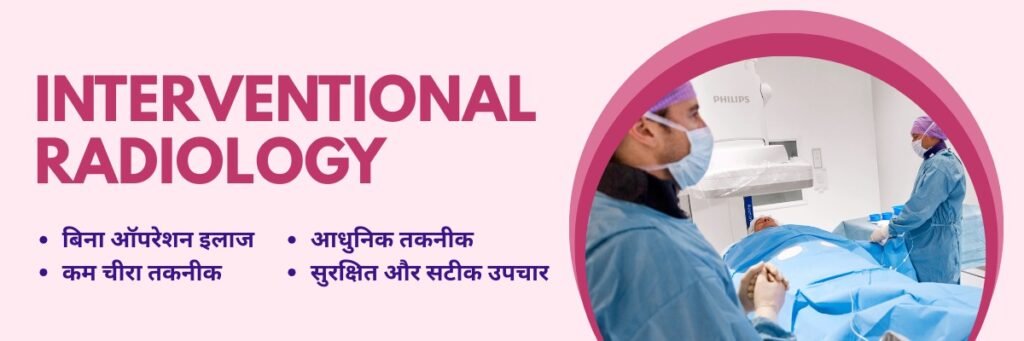
Why Rohilkhand Cancer Institute is the Best Choice for Interventional Radiology in Bareilly
-
Posted by
admin

Brain Tumor Surgery in Bareilly at Rohilkhand Cancer Institute – Advanced & Expert Care
-
Posted by
admin

आयुष्मान भारत योजना के तहत Rohilkhand Cancer Institute में सस्ता कैंसर इलाज
-
Posted by
admin
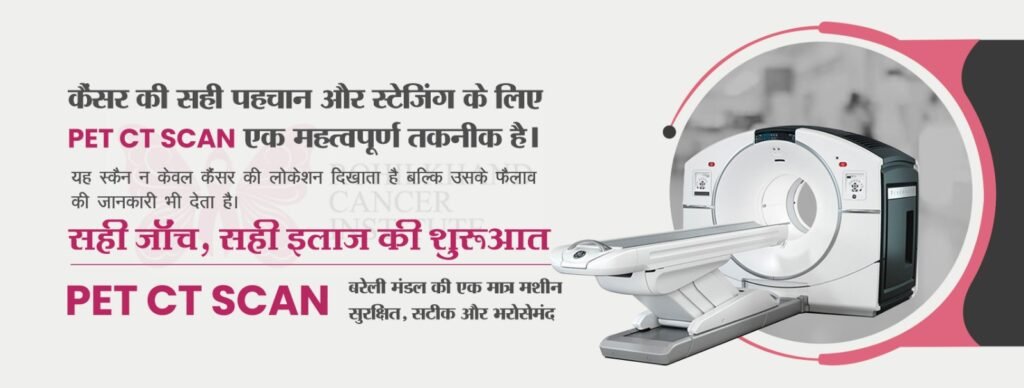
Advanced PET Scan Services at Rohilkhand Cancer Institute, Bareilly
-
Posted by
admin
Best Hospital for Stomach Cancer Treatment in Bareilly – Rohilkhand Cancer Institute, Bareilly
-
Posted by
admin
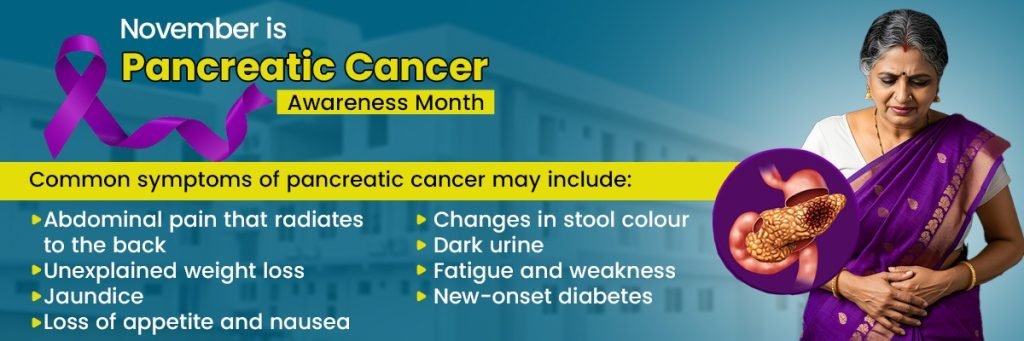
Top Pediatric Oncology Experts in Bareilly: Care & Compassion at Rohilkhand Cancer Institute
-
Posted by
admin