
 rohilkhandcancerinstitutebly@gmail.com



What Is a Mammogram


A mammogram is an image of the breast obtained by X-ray. Mammograms are used by doctors to detect early indications of breast cancer. Frequent mammograms can detect breast cancer at an early stage, often even three years before any symptoms appear.

How is a mammogram done?
In front of a unique X-ray machine, you will stand. Your breast will be placed on a plastic plate by a technologist. Your breast will be firmly pressed from above by another plate. The breast will be held still during the X-ray by the plates’ ability to flatten it. There will be some strain on you. To create a side view of the breast, repeat these procedures. In the same manner, the other breast will be X-rayed. After that, you’ll have to wait while the technologist reviews the X-rays to make sure no more photographs need to be taken. Remember that the technologist is unable to provide you with the results of your mammography. Because every woman’s breasts are unique, every woman’s mammography may appear slightly different.
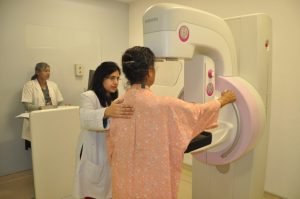
What does having a mammogram feel like?
In front of a unique X-ray machine, you will stand. Your breast will be placed on a plastic plate by a technologist. Your breast will be firmly pressed from above by another plate. The breast will be held still during the X-ray by the plates’ ability to flatten it. There will be some strain on you. To create a side view of the breast, repeat these procedures. In the same manner, the other breast will be X-rayed. After that, you’ll have to wait while the technologist reviews the X-rays to make sure no more photographs need to be taken. Remember that the technologist is unable to provide you with the results of your mammography. Because every woman’s breasts are unique, every woman’s mammography may appear slightly different.
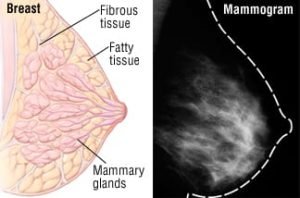
When will I get the results of my mammogram?
It normally takes a few weeks to receive the findings, though it varies depending on the facility. Your doctor and you receive the results of your mammography once it has been read by a radiologist. You will receive an earlier message from the mammography facility if there is a problem. If you have not received a report of your results within 30 days, get in touch with the mammography institution or your healthcare provider.
What happens if my mammogram is normal?
Maintain your mammography schedule at the suggested intervals. The most effective mammograms are those that can be compared to earlier ones. This makes it possible for the radiologist to compare them and see if your breasts have changed.
What happens if my mammogram is abnormal?
It’s not always the case that an abnormal mammography indicates malignancy. However, before the doctor can make a definitive diagnosis, you will require more mammograms, tests, or examinations. A surgeon or a breast specialist could be recommended to you. It does not always indicate that you require surgery or have cancer. These medical professionals specialise in breast issue diagnosis. Physicians will order more testing to confirm the absence of malignancy or to detect breast cancer.
Related Posts

कीमोथेरेपी क्या है? प्रक्रिया, फायदे और सावधानियाँ
-
Posted by
 admin
admin
Advanced Cancer Treatment at Rohilkhand Cancer Institute – Top Oncology Hospital in Bareilly
-
Posted by
admin

Immune-Based Cancer Treatments in Bareilly at Rohilkhand Cancer Institute
-
Posted by
admin

Why Rohilkhand Cancer Institute is the Best Choice for Childhood Cancer Treatment in Bareilly
-
Posted by
admin
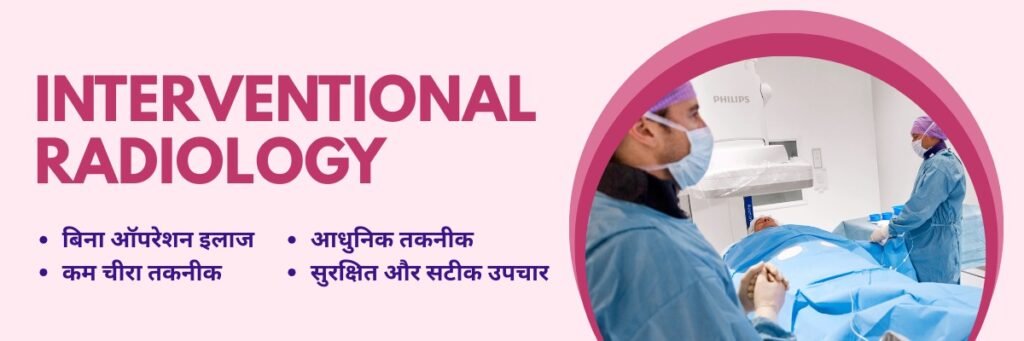
Why Rohilkhand Cancer Institute is the Best Choice for Interventional Radiology in Bareilly
-
Posted by
admin

Brain Tumor Surgery in Bareilly at Rohilkhand Cancer Institute – Advanced & Expert Care
-
Posted by
admin

आयुष्मान भारत योजना के तहत Rohilkhand Cancer Institute में सस्ता कैंसर इलाज
-
Posted by
admin
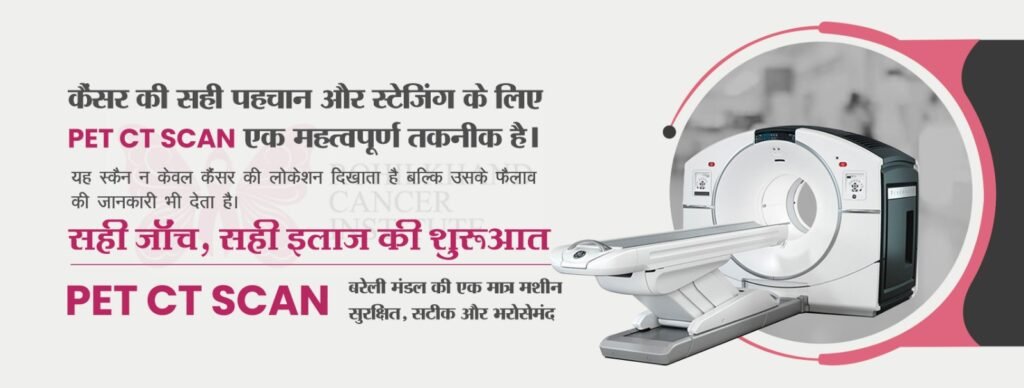
Advanced PET Scan Services at Rohilkhand Cancer Institute, Bareilly
-
Posted by
admin
Best Hospital for Stomach Cancer Treatment in Bareilly – Rohilkhand Cancer Institute, Bareilly
-
Posted by
admin

Top Pediatric Oncology Experts in Bareilly: Care & Compassion at Rohilkhand Cancer Institute
-
Posted by
admin

Expert Bone Cancer Specialists in Bareilly: Treatment at Rohilkhand Cancer Institute
-
Posted by
admin

A New Era in Cancer Treatment: Immunotherapy Services at Rohilkhand Cancer Institute
-
Posted by
admin