
 rohilkhandcancerinstitutebly@gmail.com



Lung cancer

Lung cancer – Rohilkhand Cancer Institute | Pet CT Scan in Bareilly
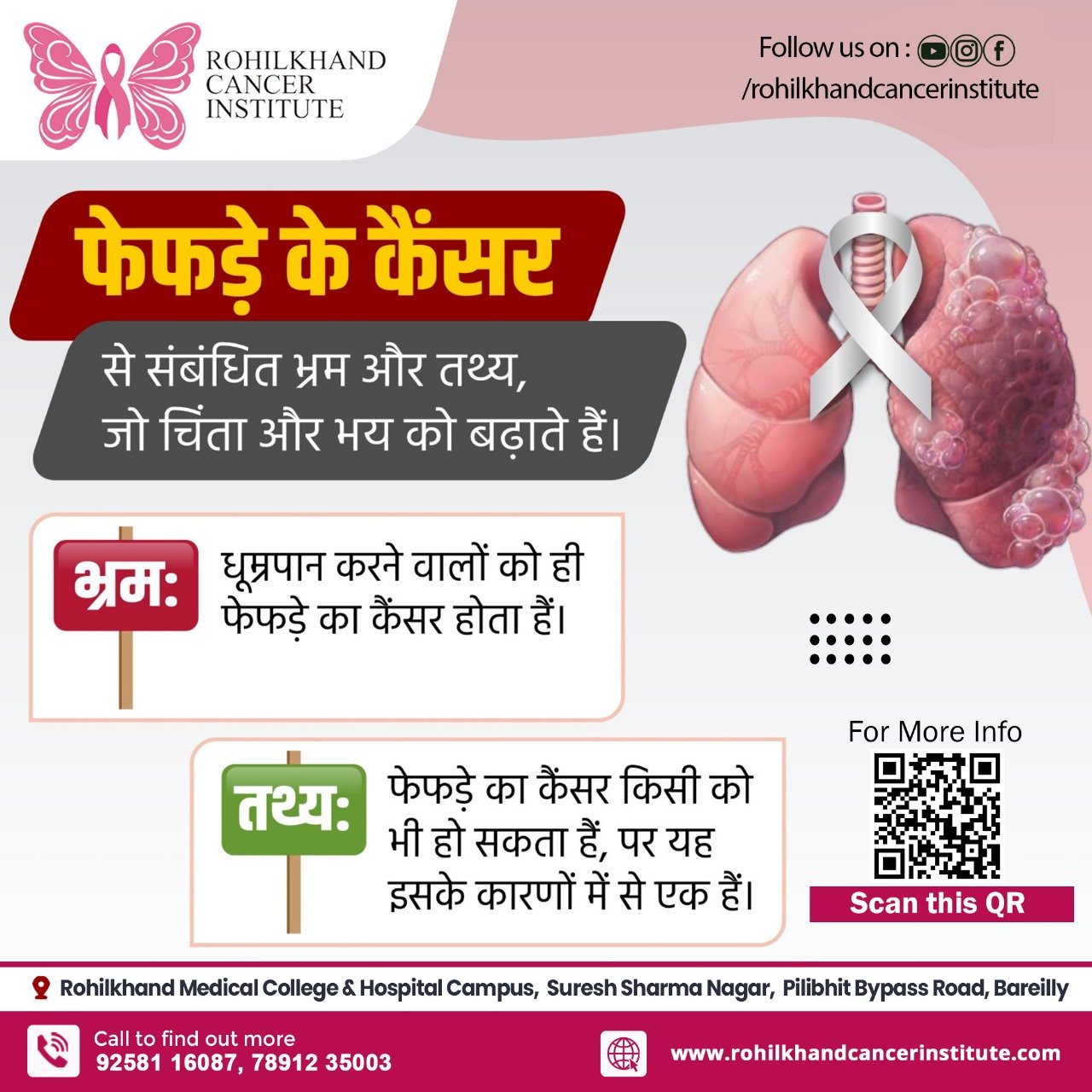
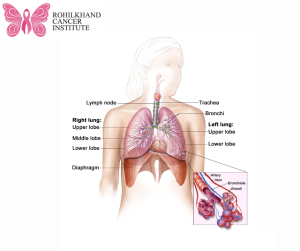
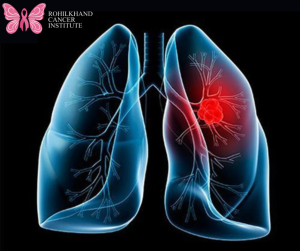
One type of cancer that begins as lung cell development is lung cancer. Breathing is regulated by the two spongy organs in the chest called the lungs.
Globally, lung cancer is the primary cause of cancer-related deaths.
The highest risk of lung cancer is in smokers. The longer and more cigarettes smoked, the higher the risk of lung cancer. Giving up smoking dramatically reduces the risk of lung cancer, even in those who have smoked for a long time. It is possible for someone who has never smoked to develop lung cancer.
Lung cancer
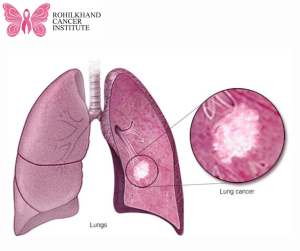
Lung cancer begins in the cells of the lungs.
Symptoms
Usually, lung cancer doesn’t show any signs at first. Lung cancer symptoms typically appear when the disease has progressed.
In and around the lungs, signs and symptoms of lung cancer might include:
(1) Chest pain.
(2) Wheezing.
(3) Hoarseness.
(4) Shortness of breath.
(5) A new cough that doesn’t go away.
(6) Coughing up blood, even a small amount.
When lung cancer spreads to other body areas, the following signs and symptoms may appear:
(1) Headache.
(2) Bone pain.
(3) Loss of appetite.
(4) Swelling in the face or neck.
(5) Losing weight without trying.
When to see a doctor
If any symptoms alarm you, schedule a visit with your physician or other healthcare provider.
Make an appointment if you smoke and haven’t been able to stop. Your healthcare provider can offer you tips on how to stop smoking. These could consist of medication, therapy, and goods that substitute nicotine.
Causes
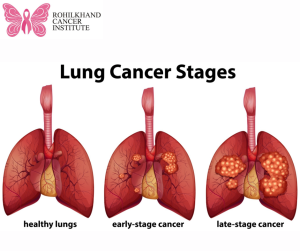
The development of genetic alterations in lung cells is the cause of lung cancer. The instructions that inform a cell what to do are encoded in its DNA. The DNA in healthy cells contains instructions on how to divide and expand at a specific rate. The cells are instructed to die at a predetermined time. Different instructions are given by altered DNA in cancerous cells. The alterations instruct the cancer cells to proliferate rapidly. When healthy cells would die, cancer cells can survive. There are too many cells as a result.
The cancer cells may aggregate into a mass known as a tumour. The tumor can grow to invade and destroy healthy body tissue. Cancer cells have the ability to split out and travel to other areas of the body over time. Metastatic cancer is the term for cancer that spreads.
Most lung cancers are caused by smoking. Both smokers and those who are exposed to secondhand smoke may get lung cancer as a result of it. However, those who have never smoked or been around secondhand smoke can potentially develop lung cancer. There might not be a known cause of lung cancer in these individuals.
How smoking causes lung cancer
According to research, smoking damages the cells lining the lungs, which leads to lung cancer. The carcinogens included in cigarette smoke are compounds that cause cancer. The toxins in tobacco smoke alter lung tissue very instantly when inhaled.
Your body might be able to heal this injury at first. However, the healthy cells lining your lungs sustain more harm with each exposure. Cells change as a result of the damage over time, and cancer may finally arise.
Types of lung cancer
The appearance of the cells under a microscope allows for the division of lung cancer into two main categories. The primary type of lung cancer that you have determines the course of therapy that your healthcare provider will take.
The two general types of lung cancer include:
Small cell lung cancer. Small cell lung cancer usually only happens in people who have smoked heavily for years. Small cell lung cancer is less common than non-small cell lung cancer.
Non-small cell lung cancer. Non-small cell lung cancer is a category that includes several types of lung cancers. Non-small cell lung cancers include squamous cell carcinoma, adenocarcinoma and large cell carcinoma.
Risk factors
Lung cancer risk can be increased by several causes. It is possible to control certain risk factors, such as stopping smoking. Other factors can’t be controlled, such as your family history.
Lung cancer risk factors include:
Smoking
You are more likely to develop lung cancer if you smoke more cigarettes each day. The length of time you have smoked raises your risk as well. You can dramatically reduce your risk of lung cancer by quitting at any age.
Exposure to secondhand smoke
Even if you don’t smoke, your risk of lung cancer increases if you’re around people who are smoking. Breathing the smoke in the air from other people who are smoking is called secondhand smoke.
Previous radiation therapy
A higher risk of lung cancer may arise if you have previously received radiation therapy to the chest for any other type of cancer.
Exposure to radon gas
The natural decay of uranium in rock, soil, and water releases radon. Eventually, the air you breathe will include radon. All types of buildings, including dwellings, are susceptible to dangerous radon buildup.
Exposure to cancer-causing substances
Workplace exposure to cancer-causing substances, called carcinogens, can increase your risk of developing lung cancer. The risk may be higher if you smoke. Carcinogens linked to lung cancer risk include asbestos, arsenic, chromium and nickel.
Family history of lung cancer
An elevated chance of lung cancer exists in those who have a parent, sibling, or child with the illness.
Difficulties
Among the difficulties that lung cancer might induce are:
Shortness of breath
Breathlessness may occur in lung cancer patients if the malignancy spreads to the point where it blocks one or more main airways. Fluid buildup around the heart and lungs is another symptom of lung cancer. When you breathe in, the fluid makes it more difficult for the damaged lung to expand completely.
Coughing up blood
Bleeding in the airways can be a symptom of lung cancer. You may cough up blood as a result of this. Severe bleeding can occur occasionally. There are therapies available to manage bleeding.
Pain
Pain may be experienced if advanced lung cancer spreads. It might spread to the lung lining or to a different part of the body, like a bone. Inform the medical practitioner if you are in pain. There are numerous ways to manage pain.
Fluid in the chest
Pleural effusions, or accumulations of fluid in the chest, are a common side effect of lung cancer. The pleural space, which encircles the damaged lung in the chest cavity, is where the fluid gathers.
Breathing difficulties may result from pleural effusion. There are ways to relieve the pressure in your chest. The likelihood of further pleural effusion can be decreased with treatment.
Cancer that spreads to other parts of the body
It is common for lung cancer to spread to other body parts. Bone and brain metastases from lung cancer are possible.
Depending on which organ is impacted, cancer that spreads can produce pain, nausea, headaches, or other symptoms. Lung cancer is usually incurable once it has progressed outside of the lungs. There are ways to assist you live a longer life and reduce your symptoms.
Prevention
Lung cancer cannot be completely avoided, although you can lower your risk if you:
Don’t smoke
Don’t start if you’ve never smoked. Have a conversation with your kids about quitting smoking so they can learn how to reduce their exposure to this significant lung cancer risk factor. Talk to your kids early on about the risks associated with smoking so they will know how to handle peer pressure.
Stop smoking
Give up smoking right now. Even if you have smoked for years, stopping lowers your risk of developing lung cancer. Discuss with your medical staff the tools and techniques that can support you in quitting. Support groups, medications, and nicotine replacement therapy are available options.
Avoid secondhand smoke
Encourage someone you live with or work with who smokes to give it up. Ask them to smoke outside, at the absolute least. Steer clear of smoke-filled environments, such bars. Look for solutions that don’t smoke.
Test your home for radon
Check the radon levels in your house, particularly if you reside in a region where radon pollution is known to be an issue. You may remedy high radon levels to increase the safety of your house. Radon test kits are available online and are frequently offered at hardware stores. Get in touch with the public health department in your community for additional details about radon testing.
Avoid carcinogens at work
Take preventative measures to shield yourself from hazardous chemical exposure at work. As directed by your employer, take measures. If you are provided with a face mask for protection, for example, wear it at all times. Find out what else you can do to safeguard yourself at work by speaking with your healthcare provider. Smoking raises your risk of lung damage from occupational carcinogens.
Eat a diet full of fruits and vegetables
Pick a balanced diet that includes a range of fruits and vegetables. Vitamins and nutrients are best obtained from food. Large vitamin tablet doses should be avoided as they may be hazardous. For example, researchers supplemented smokers with beta-carotene in an attempt to lower their risk of lung cancer. The supplements raised smokers’ risk of developing cancer, according to the findings.
Related Posts

कीमोथेरेपी क्या है? प्रक्रिया, फायदे और सावधानियाँ
-
Posted by
 admin
admin
Advanced Cancer Treatment at Rohilkhand Cancer Institute – Top Oncology Hospital in Bareilly
-
Posted by
admin

Immune-Based Cancer Treatments in Bareilly at Rohilkhand Cancer Institute
-
Posted by
admin

Why Rohilkhand Cancer Institute is the Best Choice for Childhood Cancer Treatment in Bareilly
-
Posted by
admin
Why Rohilkhand Cancer Institute is the Best Choice for Interventional Radiology in Bareilly
-
Posted by
admin
Brain Tumor Surgery in Bareilly at Rohilkhand Cancer Institute – Advanced & Expert Care
-
Posted by
admin

आयुष्मान भारत योजना के तहत Rohilkhand Cancer Institute में सस्ता कैंसर इलाज
-
Posted by
admin
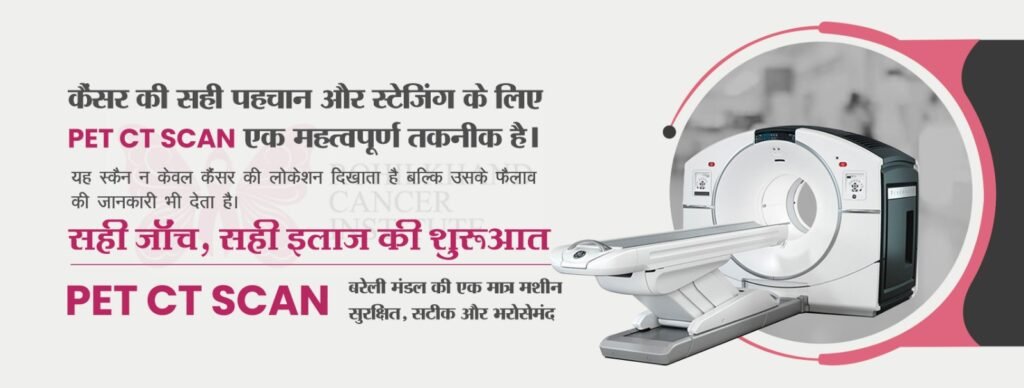
Advanced PET Scan Services at Rohilkhand Cancer Institute, Bareilly
-
Posted by
admin
Best Hospital for Stomach Cancer Treatment in Bareilly – Rohilkhand Cancer Institute, Bareilly
-
Posted by
admin
Top Pediatric Oncology Experts in Bareilly: Care & Compassion at Rohilkhand Cancer Institute
-
Posted by
admin
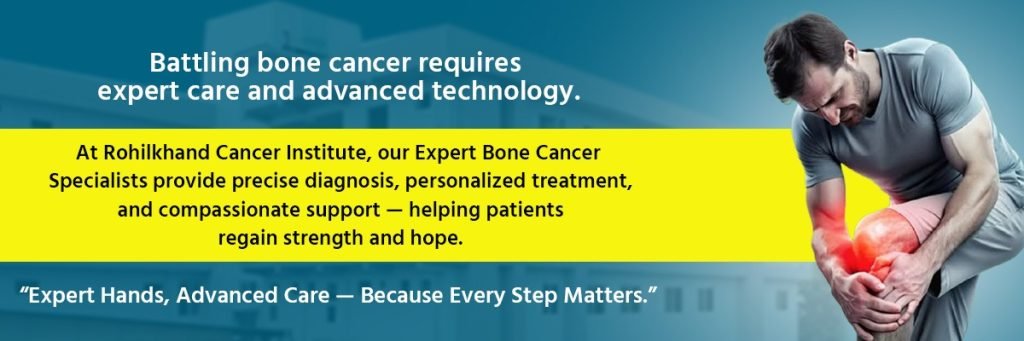
Expert Bone Cancer Specialists in Bareilly: Treatment at Rohilkhand Cancer Institute
-
Posted by
admin

A New Era in Cancer Treatment: Immunotherapy Services at Rohilkhand Cancer Institute
-
Posted by
admin