
 rohilkhandcancerinstitutebly@gmail.com


Nuclear medicine for cancer Bareilly

Nuclear medicine for cancer Bareilly
Nuclear Medicine: Revolutionizing Cancer Diagnosis and Treatment at Rohilkhand Cancer Institute, Bareilly
Cancer care has evolved significantly over the years, with advanced technologies playing a crucial role in early detection and effective treatment. Among these innovations, nuclear medicine stands out as a game-changer. At Rohilkhand Cancer Institute, Bareilly, we leverage the power of nuclear medicine to provide accurate diagnostics and targeted therapies for cancer patients, enhancing their chances of recovery and improving their quality of life.
What is Nuclear Medicine?
Nuclear medicine is a specialized branch of medical imaging that uses small amounts of radioactive substances (radiotracers) to diagnose and treat diseases, including cancer. Unlike conventional imaging techniques such as X-rays and MRIs, nuclear medicine provides functional information about organs and tissues, enabling early detection of abnormalities at the molecular level.
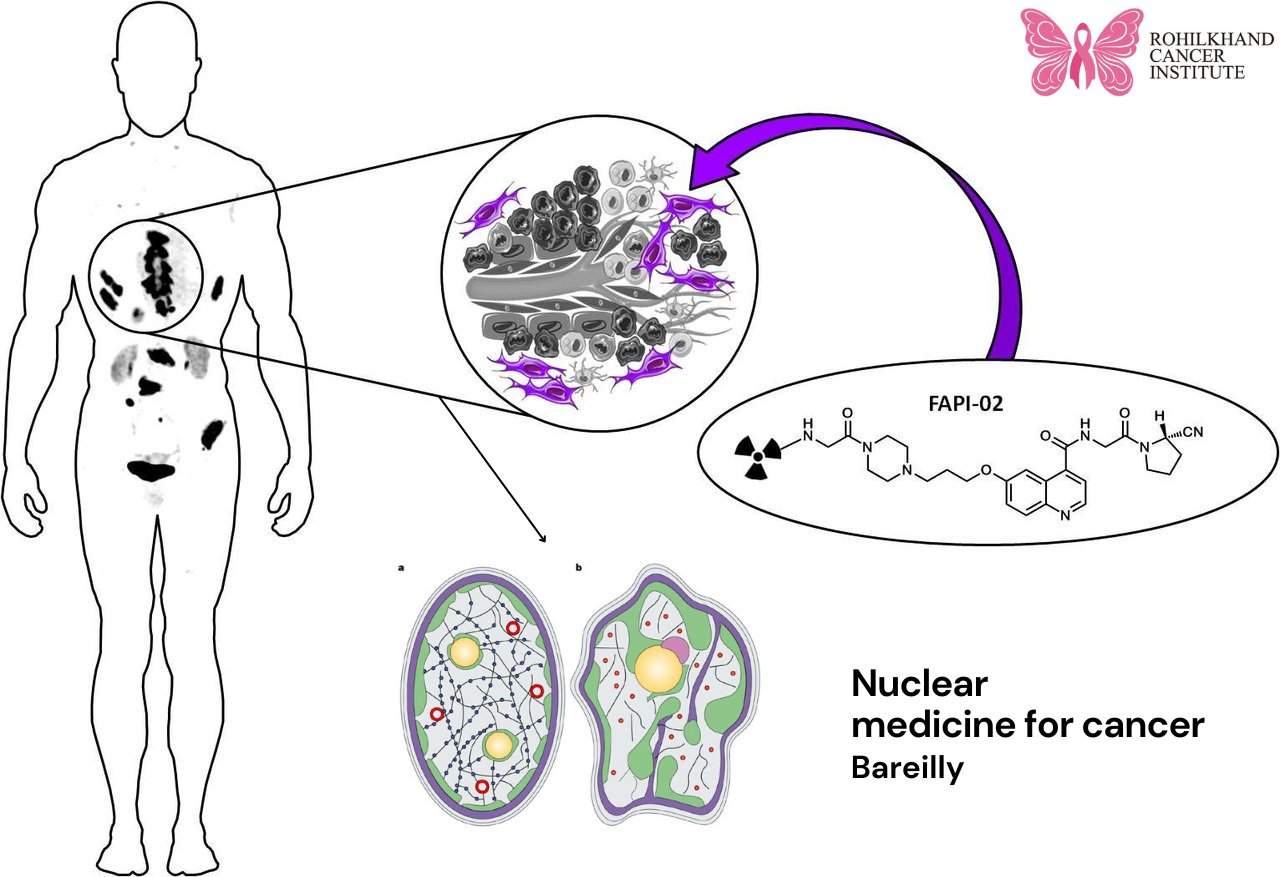
Role of Nuclear Medicine in Cancer Care
At Rohilkhand Cancer Institute, we utilize nuclear medicine for both diagnosis and treatment of various cancers.
1. Cancer Diagnosis through PET-CT and SPECT Scans
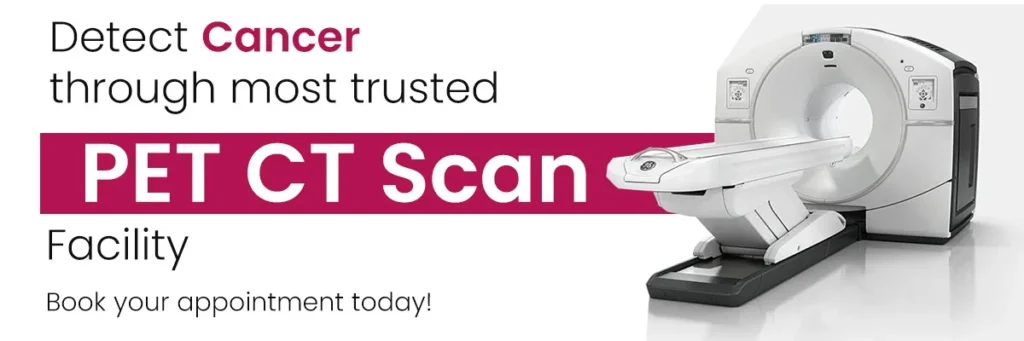
- PET-CT Scan (Positron Emission Tomography-Computed Tomography): This imaging technique helps in detecting cancer, determining its stage, and monitoring response to treatment. It is highly effective in identifying metastasis (spread of cancer) and recurrence.
- SPECT Scan (Single Photon Emission Computed Tomography): Used for assessing tumor activity and function, SPECT scans provide detailed images that help in planning precise treatments.
2. Targeted Therapy using Nuclear Medicine
- Radioactive Iodine (I-131) Therapy: Used for treating thyroid cancer, this therapy specifically targets and destroys cancerous thyroid tissue.
- Lutetium-177 Therapy: A breakthrough treatment for neuroendocrine tumors and prostate cancer, Lutetium-177 therapy delivers radiation directly to cancer cells, minimizing damage to surrounding healthy tissues.
- Yttrium-90 (Y-90) Radioembolization: A treatment for liver cancer that involves injecting tiny radioactive beads into the liver’s blood supply to target tumors effectively.
Advantages of Nuclear Medicine in Cancer Treatment
- Early and Accurate Diagnosis: Helps detect cancer at its initial stages, improving treatment outcomes.
- Personalized Treatment Plans: Enables tailored therapies that target cancer cells while sparing healthy tissue.
- Minimally Invasive: Unlike surgical procedures, nuclear medicine techniques are mostly non-invasive and painless.
- Better Monitoring of Treatment Response: Helps oncologists assess the effectiveness of cancer treatments and make necessary adjustments.
- Reduced Side Effects: Targeted radiotherapy reduces damage to normal cells, leading to fewer side effects compared to traditional chemotherapy and radiation therapy.
Why Choose Rohilkhand Cancer Institute for Nuclear Medicine?
Rohilkhand Cancer Institute in Bareilly is at the forefront of cancer care, offering state-of-the-art nuclear medicine services. Our highly skilled specialists use cutting-edge technology to ensure precise diagnosis and effective treatment plans tailored to each patient’s needs.
With a commitment to excellence and compassionate care, we strive to provide hope and healing to cancer patients and their families. If you or a loved one require advanced cancer diagnosis or treatment, trust Rohilkhand Cancer Institute for world-class nuclear medicine services.
For more information or to book an appointment, visit our facility in Bareilly or contact us today.
Related Posts
Rohilkhand Cancer Institute: Advanced Early Cancer Detection and Screening Services
-
Posted by
 admin
admin

कीमोथेरेपी क्या है? प्रक्रिया, फायदे और सावधानियाँ
-
Posted by
admin
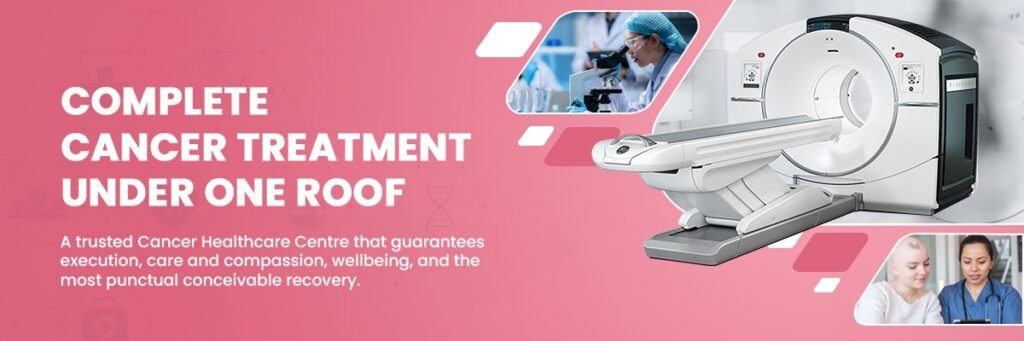
Advanced Cancer Treatment at Rohilkhand Cancer Institute – Top Oncology Hospital in Bareilly
-
Posted by
admin

Immune-Based Cancer Treatments in Bareilly at Rohilkhand Cancer Institute
-
Posted by
admin

Why Rohilkhand Cancer Institute is the Best Choice for Childhood Cancer Treatment in Bareilly
-
Posted by
admin
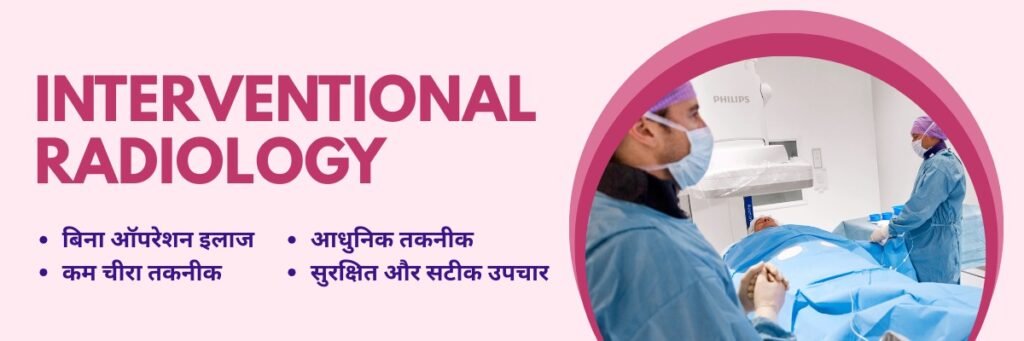
Why Rohilkhand Cancer Institute is the Best Choice for Interventional Radiology in Bareilly
-
Posted by
admin
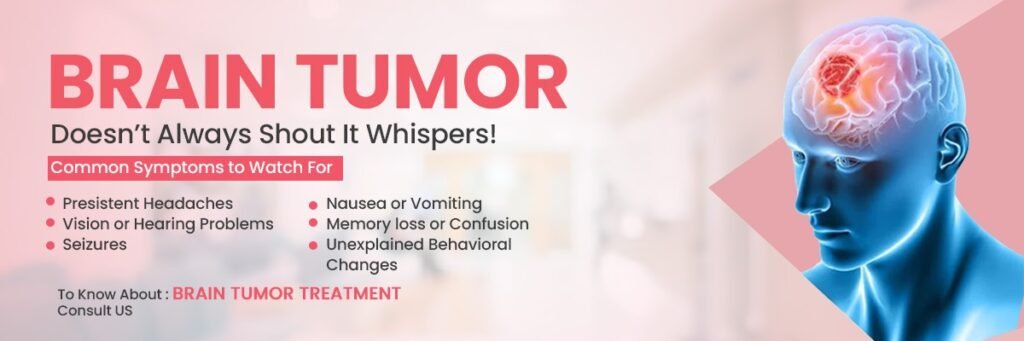
Brain Tumor Surgery in Bareilly at Rohilkhand Cancer Institute – Advanced & Expert Care
-
Posted by
admin

आयुष्मान भारत योजना के तहत Rohilkhand Cancer Institute में सस्ता कैंसर इलाज
-
Posted by
admin
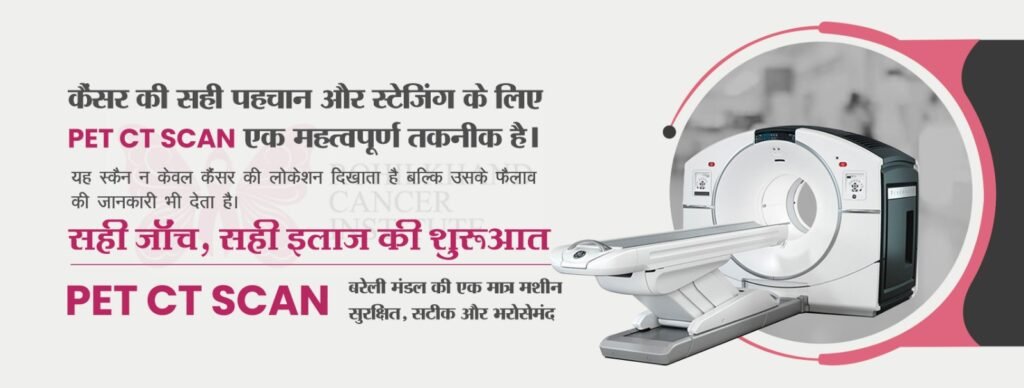
Advanced PET Scan Services at Rohilkhand Cancer Institute, Bareilly
-
Posted by
admin
Best Hospital for Stomach Cancer Treatment in Bareilly – Rohilkhand Cancer Institute, Bareilly
-
Posted by
admin
Top Pediatric Oncology Experts in Bareilly: Care & Compassion at Rohilkhand Cancer Institute
-
Posted by
admin
Expert Bone Cancer Specialists in Bareilly: Treatment at Rohilkhand Cancer Institute
-
Posted by
admin