
 rohilkhandcancerinstitutebly@gmail.com



Head and Neck Cancer


Head and Neck Cancer
Expert Oncology Care for Head and Neck Cancers at Rohilkhand Cancer Institute, Bareilly
Head and neck cancers require specialized, multidisciplinary care, and at Rohilkhand Cancer Institute (RCI) in Bareilly, patients receive just that—comprehensive, personalized treatment backed by cutting-edge technology and compassionate expertise.
Head and neck cancers are cancers that start in the head and neck area. There are many kinds of cancer that can happen in the head and neck. Each kind begins as a growth of cells that can invade and destroy healthy body tissue.
Head and neck cancer often refers to cancers that start in the mouth, throat, sinuses and salivary glands. But other cancers can happen in the head and neck and are sometimes considered part of this category too.
Head and neck cancer isn’t a diagnosis. Instead, it’s a category of cancers that have some things in common. For example, many head and neck cancers share some risk factors and treatments. Most head and neck cancers begin in squamous cells. These thin, flat cells make up the outer layer of the skin. They also line the inside of the nose, mouth and throat. Cancers that begin in the squamous cells are called squamous cell carcinomas. Cancers can begin in other kinds of cells in the head and neck area, though these are less common.
Which treatment you’ll have for your head and neck cancer depends on many factors. These might include the location of the cancer, its size and the type of cells involved. Your healthcare team also considers your overall health. Treatment options might include surgery, radiation therapy, chemotherapy and others.
What Are Head and Neck Cancers?
Head and neck cancers include malignancies that originate in areas such as the:
Mouth (oral cavity)
Throat (pharynx)
Voice box (larynx)
Nose and sinuses
Salivary glands
Neck lymph nodes
These cancers often impact crucial functions like speaking, breathing, and swallowing, making early detection and expert care vital.
Symptoms
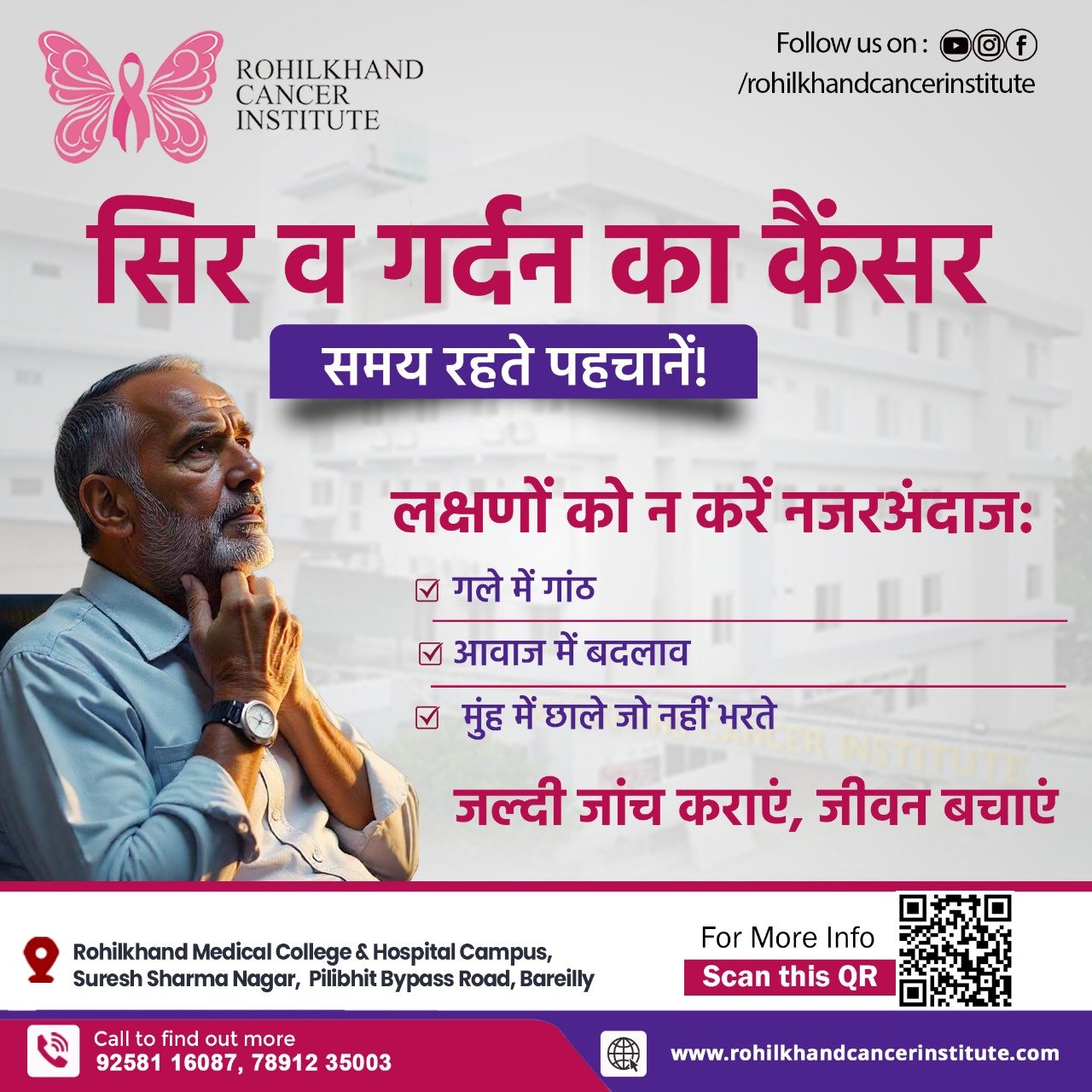
Head and neck cancer symptoms may include a sore in the mouth and pain when swallowing. Symptoms might depend on where the cancer starts. Head and neck cancers include cancers that start in the mouth, throat, sinuses and salivary glands.
Symptoms in the mouth and throat:
- A lump in the neck that you might be able to feel through the skin. Typically the lump isn’t painful.
- A sore in the mouth that won’t heal.
- Coughing up blood.
- Hoarse voice.
- Loose teeth.
- Pain when swallowing.
Symptoms in the nose:
- Nosebleeds.
- Stuffy or blocked nose that doesn’t go away.
Other symptoms:
- A sore on the skin of the face, neck or lips that doesn’t heal.
- Ear pain.
- Losing weight without trying.
Why Choose RCI for Head and Neck Oncology?
At Rohilkhand Cancer Institute, patients benefit from a full spectrum of services under one roof:
Multidisciplinary Expertise
RCI’s team includes medical oncologists, radiation oncologists, surgical oncologists, ENT specialists, pathologists, and rehabilitation therapists—all working in coordination for the best possible outcomes.
Advanced Diagnostic Tools
From high-resolution imaging (CT, MRI, PET-CT) to biopsy and endoscopy, RCI ensures early and precise diagnosis, which is key for successful treatment.
Personalized Treatment Plans
Each patient receives a customized treatment plan, which may include:
Surgical removal of the tumor
Radiation therapy, including IMRT and IGRT
Chemotherapy and targeted therapy
Reconstructive surgeries and rehabilitation for voice, speech, and swallowing functions
Rehabilitative and Supportive Care
Post-treatment care is just as important. RCI offers speech therapy, nutritional guidance, pain management, and psychological support to help patients return to a better quality of life.
Early Signs to Watch Out For:
If you or a loved one experience the following symptoms for more than two weeks, consult an expert:
Persistent sore throat or hoarseness
A lump in the neck
Difficulty swallowing
Unexplained weight loss
Mouth ulcers that don’t heal
Bleeding or numbness in the mouth
Causes
Experts aren’t certain exactly what causes head and neck cancers. What causes a cancer may depend on where the cancer starts. Head and neck cancers include cancers that start in the mouth, throat, sinuses and salivary glands.
In general, head and neck cancer starts when a cell in the head and neck area develops changes in its DNA. A cell’s DNA holds the instructions that tell a cell what to do. In healthy cells, the DNA gives instructions to grow and multiply at a set rate. The instructions tell the cells to die at a set time. In cancer cells, the changes give different instructions. The changes tell the cancer cells to make many more cells quickly. Cancer cells can keep living when healthy cells would die. This causes too many cells.
The cancer cells might form a mass called a tumor. The tumor can grow to invade and destroy healthy body tissue. In time, cancer cells can break away and spread to other parts of the body. When cancer spreads, it’s called metastatic cancer.
Risk factors
Head and neck cancers have some risk factors in common. These include using tobacco and drinking alcohol. Other risk factors depend on the location of the cancer. Head and neck cancers include cancers that start in the mouth, throat, sinuses and salivary glands.
In general, things that increase the risk of head and neck cancers include:
- Using tobacco. Using tobacco of any kind increases the risk of many types of head and neck cancer. Examples of kinds of tobacco include cigarettes, cigars, pipes, chewing tobacco and snuff.
- Drinking alcohol. Frequent and heavy drinking increases the risk of many types of head and neck cancer.
- Being exposed to human papillomavirus, also called HPV. HPV is a common virus that’s passed through sexual contact. For most people, it causes no problems and goes away on its own. For others, it can cause changes in cells that can lead to many types of cancer. Many throat cancers are thought to be caused by HPV.
- Breathing chemicals in the air. Exposure to chemicals in the air can increase the risk of cancer in the nose and sinuses. Chemicals at home and at work can increase the risk.
- Being exposed to the sun or tanning lamps. Ultraviolet light from the sun increases the risk of skin cancer of the head and neck. Ultraviolet light also can come from the lights used in tanning beds.
Your Recovery Starts at Rohilkhand Cancer Institute
With a strong track record of successful treatments, RCI is Bareilly’s trusted center for head and neck cancer care. Whether you’re seeking a second opinion or beginning your cancer journey, RCI stands with you at every step—with care, compassion, and clinical excellence.
📍 Visit us at Rohilkhand Cancer Institute, Bareilly
📞 Call now to book your consultation: +91 7891235003, 9258116087
Related Posts
Rohilkhand Cancer Institute: Advanced Early Cancer Detection and Screening Services
-
Posted by
 admin
admin

कीमोथेरेपी क्या है? प्रक्रिया, फायदे और सावधानियाँ
-
Posted by
admin
Advanced Cancer Treatment at Rohilkhand Cancer Institute – Top Oncology Hospital in Bareilly
-
Posted by
admin

Immune-Based Cancer Treatments in Bareilly at Rohilkhand Cancer Institute
-
Posted by
admin

Why Rohilkhand Cancer Institute is the Best Choice for Childhood Cancer Treatment in Bareilly
-
Posted by
admin
Why Rohilkhand Cancer Institute is the Best Choice for Interventional Radiology in Bareilly
-
Posted by
admin

Brain Tumor Surgery in Bareilly at Rohilkhand Cancer Institute – Advanced & Expert Care
-
Posted by
admin

आयुष्मान भारत योजना के तहत Rohilkhand Cancer Institute में सस्ता कैंसर इलाज
-
Posted by
admin
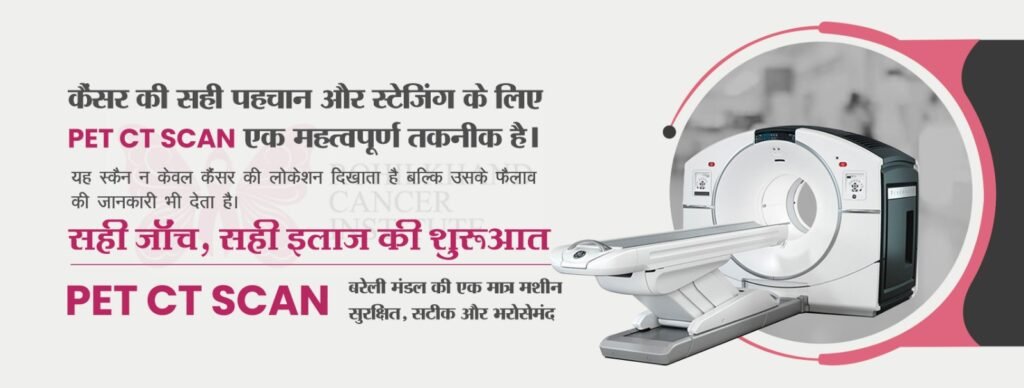
Advanced PET Scan Services at Rohilkhand Cancer Institute, Bareilly
-
Posted by
admin
Best Hospital for Stomach Cancer Treatment in Bareilly – Rohilkhand Cancer Institute, Bareilly
-
Posted by
admin
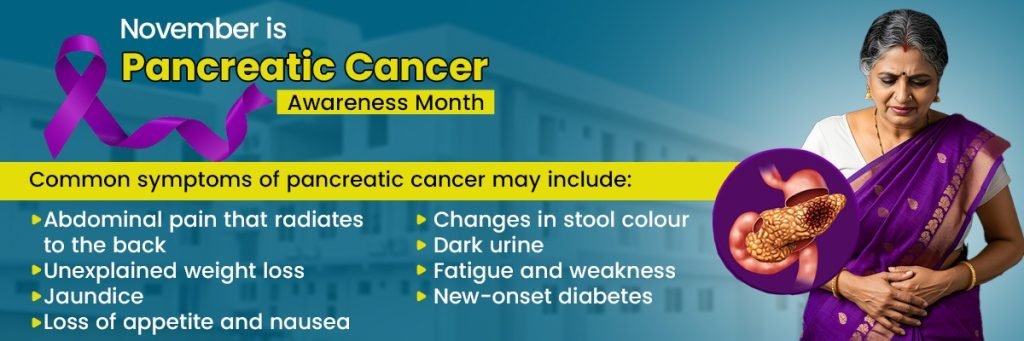
Top Pediatric Oncology Experts in Bareilly: Care & Compassion at Rohilkhand Cancer Institute
-
Posted by
admin

Expert Bone Cancer Specialists in Bareilly: Treatment at Rohilkhand Cancer Institute
-
Posted by
admin