
 rohilkhandcancerinstitutebly@gmail.com


Rohilkhand Cancer Institute: Leading Breast Cancer Hospital in Bareilly

Rohilkhand Cancer Institute: Leading Breast Cancer Hospital in Bareilly
Breast cancer is one of the most common cancers affecting women, but with timely detection and advanced treatment, it can be effectively managed. For patients in Bareilly and nearby regions, Rohilkhand Cancer Institute stands as a trusted name in providing specialized care for breast cancer with compassion and expertise.
Breast cancer is a kind of cancer that begins as a growth of cells in the breast tissue.
After skin cancer, breast cancer is the most common cancer diagnosed in women in the india. But breast cancer doesn’t just happen in women. Everyone is born with some breast tissue, so anyone can get breast cancer.
Breast cancer survival rates have been increasing. And the number of people dying of breast cancer is steadily going down. Much of this is due to the widespread support for breast cancer awareness and funding for research.
Advances in breast cancer screening allow healthcare professionals to diagnose breast cancer earlier. Finding the cancer earlier makes it much more likely that the cancer can be cured. Even when breast cancer can’t be cured, many treatments exist to extend life. New discoveries in breast cancer research are helping healthcare professionals choose the most effective treatment plans.
Symptoms
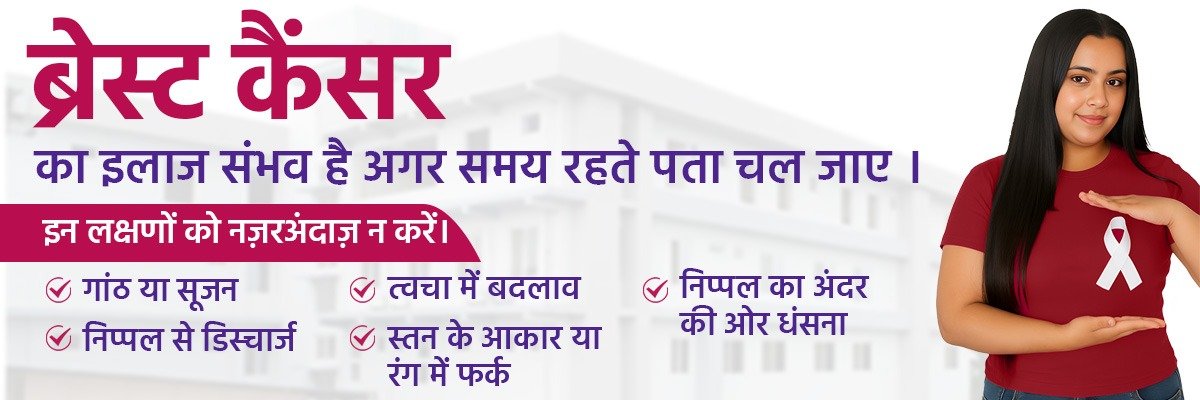
Signs and symptoms of breast cancer may include:
- A breast lump or thickened area of skin that feels different from the surrounding tissue.
- A nipple that looks flattened or turns inward.
- Changes in the color of the breast skin. In people with white skin, the breast skin may look pink or red. In people with brown and Black skin, the breast skin may look darker than the other skin on the chest or it may look red or purple.
- Change in the size, shape or appearance of a breast.
- Changes to the skin over the breast, such as skin that looks dimpled or looks like an orange peel.
- Peeling, scaling, crusting or flaking of the skin on the breast.
Causes
The exact cause of most breast cancers isn’t known. Researchers have found things that increase the risk of breast cancer. These include hormones, lifestyle choices and things in the environment. But it’s not clear why some people who don’t have any factors get cancer, yet others with risk factors never do. It’s likely that breast cancer happens through a complex interaction of your genetic makeup and the world around you.
Healthcare professionals know that breast cancer starts when something changes the DNA inside cells in the breast tissue. A cell’s DNA holds the instructions that tell a cell what to do. In healthy cells, the DNA gives instructions to grow and multiply at a set rate. The instructions tell the cells to die at a set time. In cancer cells, the DNA changes give different instructions. The changes tell the cancer cells to make many more cells quickly. Cancer cells can keep living when healthy cells would die. This causes too many cells.
The cancer cells might form a mass called a tumor. The tumor can grow to invade and destroy healthy body tissue. In time, cancer cells can break away and spread to other parts of the body. When cancer spreads, it’s called metastatic cancer.
The DNA changes that lead to breast cancer most often happen in the cells that line the milk ducts. These ducts are tubes designed to carry milk to the nipple. Breast cancer that starts in the ducts is called invasive ductal carcinoma. Breast cancer also can start in cells in the milk glands. These glands, called lobules, are designed to make breast milk. Cancer that happens in the lobules is called invasive lobular carcinoma. Other cells in the breast can become cancer cells, though this isn’t common.
Risk factors
Factors that may increase the risk of breast cancer include:
- A family history of breast cancer. If a parent, sibling or child had breast cancer, your risk of breast cancer is increased. The risk is higher if your family has a history of getting breast cancer at a young age. The risk also is higher if you have multiple family members with breast cancer. Still, most people diagnosed with breast cancer don’t have a family history of the disease.
- A personal history of breast cancer. If you’ve had cancer in one breast, you have an increased risk of getting cancer in the other breast.
- A personal history of breast conditions. Certain breast conditions are markers for a higher risk of breast cancer. These conditions include lobular carcinoma in situ, also called LCIS, and atypical hyperplasia of the breast. If you’ve had a breast biopsy that found one of these conditions, you have an increased risk of breast cancer.
- Beginning your period at a younger age. Beginning your period before age 12 increases your risk of breast cancer.
- Beginning menopause at an older age. Beginning menopause after age 55 increases the risk of breast cancer.
- Being female. Women are much more likely than men are to get breast cancer. Everyone is born with some breast tissue, so anyone can get breast cancer.
- Dense breast tissue. Breast tissue is made up of fatty tissue and dense tissue. Dense tissue is made of milk glands, milk ducts and fibrous tissue. If you have dense breasts, you have more dense tissue than fatty tissue in your breasts. Having dense breasts can make it harder to detect breast cancer on a mammogram. If a mammogram showed that you have dense breasts, your risk of breast cancer is increased. Talk with your healthcare team about other tests you might have in addition to mammograms to look for breast cancer.
- Drinking alcohol. Drinking alcohol increases the risk of breast cancer.
- Having your first child at an older age. Giving birth to your first child after age 30 may increase the risk of breast cancer.
- Having never been pregnant. Having been pregnant one or more times lowers the risk of breast cancer. Never having been pregnant increases the risk.
- Increasing age. The risk of breast cancer goes up as you get older.
- Inherited DNA changes that increase cancer risk. Certain DNA changes that increase the risk of breast cancer can be passed from parents to children. The most well-known changes are called BRCA1 and BRCA2. These changes can greatly increase your risk of breast cancer and other cancers, but not everyone with these DNA changes gets cancer.
- Menopausal hormone therapy. Taking certain hormone therapy medicines to control the symptoms of menopause may increase the risk of breast cancer. The risk is linked to hormone therapy medicines that combine estrogen and progesterone. The risk goes down when you stop taking these medicines.
- Obesity. People with obesity have an increased risk of breast cancer.
- Radiation exposure. If you received radiation treatments to your chest as a child or young adult, your risk of breast cancer is higher.
Why Choose Rohilkhand Cancer Institute for Breast Cancer Care?
At Rohilkhand Cancer Institute, we understand that every patient’s journey is unique. Our team of experienced oncologists, surgeons, radiologists, and support staff work together to create personalized treatment plans. Here’s what sets us apart:
Comprehensive Screening & Diagnosis
Early detection is key in breast cancer treatment. We offer advanced imaging, mammography, biopsy, and pathology services to ensure accurate and timely diagnosis.Advanced Treatment Options
Our hospital provides state-of-the-art therapies including surgery, chemotherapy, radiotherapy, hormone therapy, targeted therapy, and immunotherapy—tailored to each patient’s condition.Expert Breast Cancer Surgeons in Bareilly
With skilled surgeons specializing in breast-conserving surgery and reconstruction, patients receive the highest standard of surgical care.Multidisciplinary Team Approach
Every case is reviewed by a team of oncologists, radiologists, pathologists, and counselors to ensure the most effective treatment plan.Compassionate Patient Support
We believe emotional well-being is as important as medical care. Our counseling, support groups, and rehabilitation services help patients and families cope with challenges during and after treatment.
Focus on Early Detection and Awareness
Rohilkhand Cancer Institute also runs awareness programs and screening camps to educate women about the importance of self-examination and regular check-ups. Detecting breast cancer at an early stage significantly improves the chances of successful treatment.
A Trusted Breast Cancer Hospital in Bareilly
With a commitment to excellence, advanced medical infrastructure, and patient-centered care, Rohilkhand Cancer Institute is recognized as one of the best breast cancer hospitals in Bareilly. Our mission is to provide hope, healing, and the highest quality of cancer care to every patient who walks through our doors
📍 Visit us: Rohilkhand Cancer Institute, Bareilly
📞 Contact:7891235003, 9258116087
🌐 Website: rohilkhandcancerinstitute.com
📍 Location: Rohilkhand Medical Collage And Hospitals Campus, Pilibhit Bypass Road -243006, Uttar Pradesh, India
Related Posts
Breast Cancer Treatment in Bhojipura, Uttar Pradesh | Expert Care at Rohilkhand Cancer Institute
-
Posted by
 admin
admin
Rohilkhand Cancer Institute: Advanced Early Cancer Detection and Screening Services
-
Posted by
admin
कीमोथेरेपी क्या है? प्रक्रिया, फायदे और सावधानियाँ
-
Posted by
admin
Advanced Cancer Treatment at Rohilkhand Cancer Institute – Top Oncology Hospital in Bareilly
-
Posted by
admin
Immune-Based Cancer Treatments in Bareilly at Rohilkhand Cancer Institute
-
Posted by
admin
Why Rohilkhand Cancer Institute is the Best Choice for Childhood Cancer Treatment in Bareilly
-
Posted by
admin
Why Rohilkhand Cancer Institute is the Best Choice for Interventional Radiology in Bareilly
-
Posted by
admin
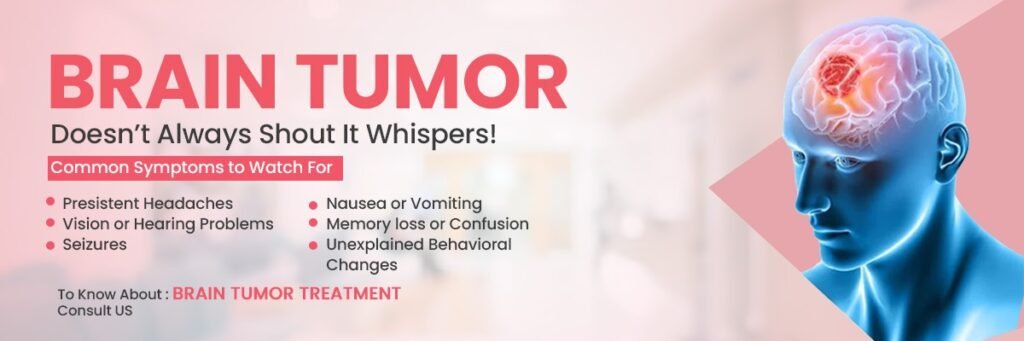
Brain Tumor Surgery in Bareilly at Rohilkhand Cancer Institute – Advanced & Expert Care
-
Posted by
admin

आयुष्मान भारत योजना के तहत Rohilkhand Cancer Institute में सस्ता कैंसर इलाज
-
Posted by
admin
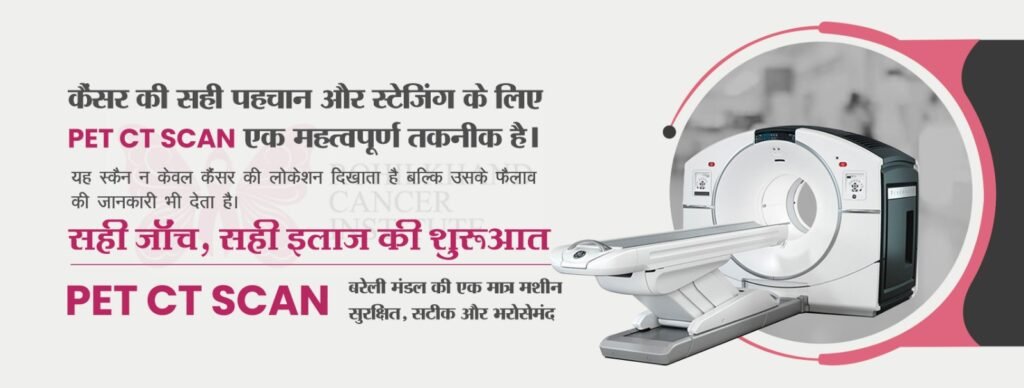
Advanced PET Scan Services at Rohilkhand Cancer Institute, Bareilly
-
Posted by
admin
Best Hospital for Stomach Cancer Treatment in Bareilly – Rohilkhand Cancer Institute, Bareilly
-
Posted by
admin
Top Pediatric Oncology Experts in Bareilly: Care & Compassion at Rohilkhand Cancer Institute
-
Posted by
admin