
 rohilkhandcancerinstitutebly@gmail.com



Stomach Cancer Care: Symptoms, Causes, and Treatment at Rohilkhand Cancer Institute

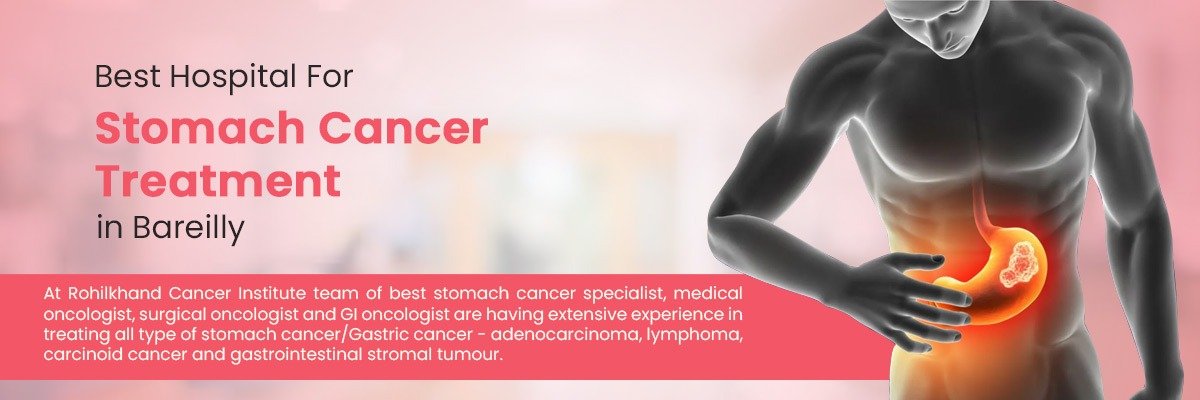
Stomach Cancer Care: Symptoms, Causes, and Treatment at Rohilkhand Cancer Institute
Stomach cancer, also known as Stomach Cancer, is a serious health condition that develops when malignant cells form in the lining of the stomach. Early detection and proper treatment play a crucial role in improving survival rates and quality of life. Specialized cancer centers like Rohilkhand Cancer Institute provide advanced diagnostic tools and comprehensive treatment options to manage stomach cancer effectively.
In this blog, we will explore the symptoms, causes, and treatment options available for stomach cancer.
What is Stomach Cancer?
Stomach cancer occurs when abnormal cells grow uncontrollably in the stomach lining. Over time, these cells can form tumors and may spread to nearby organs if not treated early. The most common type is adenocarcinoma, which develops in the stomach’s inner lining.
Although stomach cancer can affect anyone, it is more common in people over the age of 50 and is often linked to certain lifestyle and health factors.
Common Symptoms of Stomach Cancer
In its early stages, stomach cancer may not cause noticeable symptoms. However, as the disease progresses, patients may experience:
Persistent stomach pain or discomfort
Indigestion or heartburn
Nausea and vomiting
Difficulty swallowing
Loss of appetite
Unexplained weight loss
Feeling full after eating small amounts
Blood in vomit or stool
Fatigue or weakness
If these symptoms persist for a long time, it is important to seek medical evaluation from a specialized cancer center like Rohilkhand Cancer Institute.
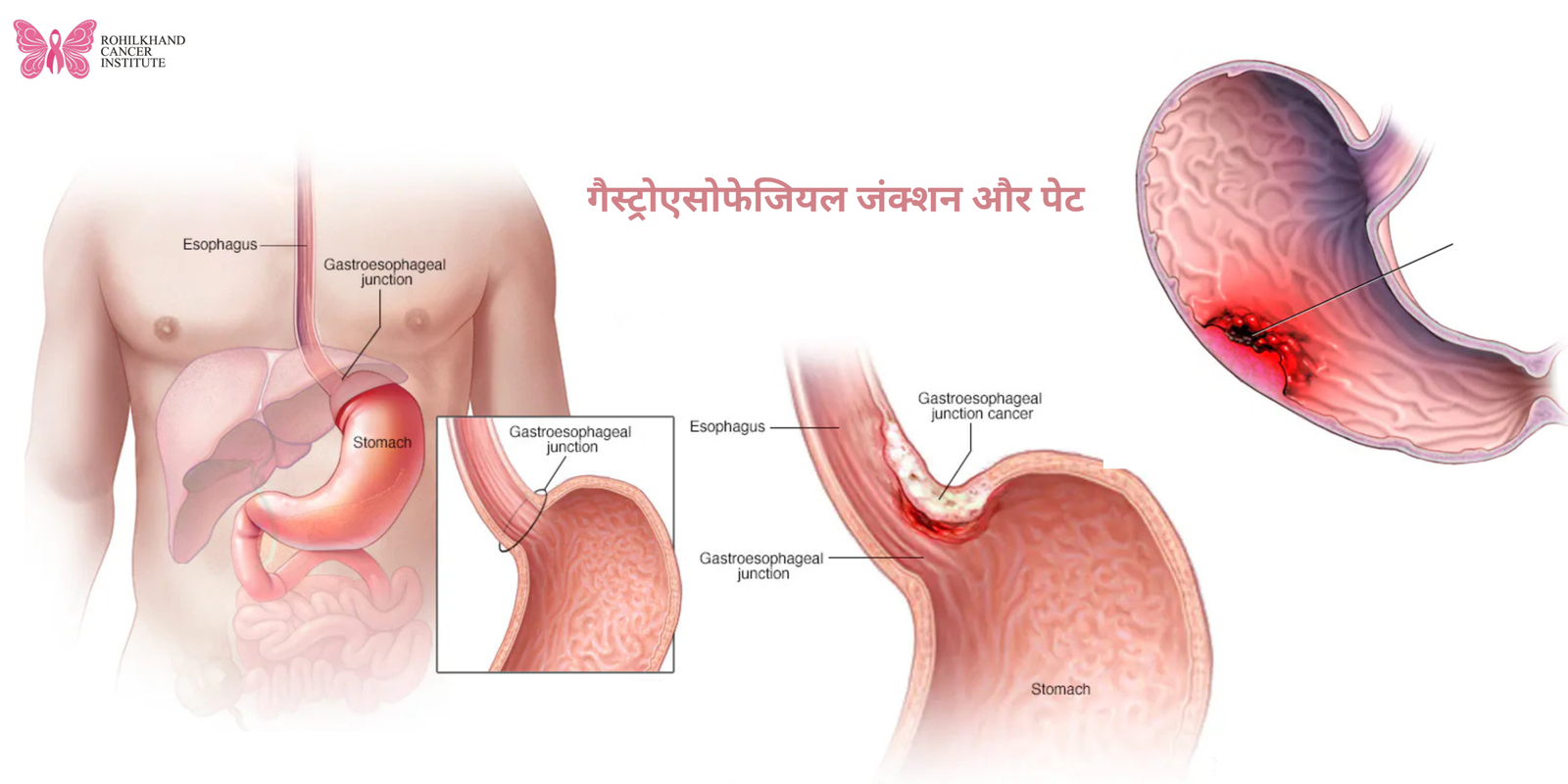
Causes and Risk Factors
The exact cause of stomach cancer is not always clear, but several factors can increase the risk:
1. Infection with Helicobacter pylori
Long-term infection with Helicobacter pylori is one of the leading causes of stomach cancer. It can damage the stomach lining and lead to chronic inflammation.
2. Poor Dietary Habits
Consuming large amounts of salty, smoked, or processed foods while eating fewer fruits and vegetables can increase the risk.
3. Smoking and Alcohol
Tobacco use and excessive alcohol consumption are known to raise the chances of developing stomach cancer.
4. Family History
People with a family history of stomach cancer may have a higher genetic risk.
5. Long-Term Stomach Conditions
Chronic gastritis, stomach ulcers, and certain hereditary conditions may also contribute to cancer development.
Diagnosis of Stomach Cancer
Accurate diagnosis is essential for effective treatment. At Rohilkhand Cancer Institute, specialists use advanced diagnostic techniques such as:
Endoscopy
Biopsy
CT scan
PET-CT scan
Blood tests
These tests help doctors determine the stage and spread of the cancer so that the most suitable treatment plan can be created.
Treatment Options for Stomach Cancer
Treatment for stomach cancer depends on the stage of the disease, the patient’s overall health, and the location of the tumor. The main treatment options include:
1. Surgery
Surgery is often the primary treatment for stomach cancer. It involves removing part or all of the stomach along with nearby lymph nodes.
2. Chemotherapy
Chemotherapy uses powerful drugs to kill cancer cells or stop them from growing. It may be used before surgery (neoadjuvant) or after surgery (adjuvant).
3. Radiation Therapy
Radiation therapy uses high-energy rays to destroy cancer cells and may be combined with chemotherapy.
4. Targeted Therapy and Immunotherapy
Advanced treatments like Immunotherapy help the immune system recognize and fight cancer cells more effectively.
Why Choose Rohilkhand Cancer Institute for Stomach Cancer Care?
Rohilkhand Cancer Institute offers comprehensive cancer care with a multidisciplinary approach. Patients benefit from:
Experienced oncology specialists
Advanced diagnostic technologies
Personalized treatment plans
Modern chemotherapy and radiation facilities
Supportive care and pain management
The institute focuses on early detection, accurate diagnosis, and compassionate patient care to ensure the best possible outcomes.
Conclusion
Stomach cancer is a serious condition, but early diagnosis and timely treatment can significantly improve recovery chances. Recognizing the symptoms and understanding the risk factors are the first steps toward prevention and effective care.
If you or a loved one experience persistent stomach issues or symptoms associated with Stomach Cancer, consulting specialists at Rohilkhand Cancer Institute can help ensure accurate diagnosis and advanced treatment options.
Related Posts
Best Oncologist in Uttarakhand | Expert Cancer Care & Advanced Treatment at Rohilkhand Cancer Institute
-
Posted by
 admin
admin
PET-CT Scan in Moradabad | Advanced Cancer Diagnosis at Rohilkhand Cancer Institute
-
Posted by
admin
Cancer Treatment Center in Rampur, UP | Advanced Cancer Care at Rohilkhand Cancer Institute
-
Posted by
admin
Surgical Oncology in Shahjahanpur, UP | Advanced Cancer Surgery & Expert Care at Rohilkhand Cancer Institute
-
Posted by
admin

Breast Cancer Treatment Hospital in Uttar Pradesh, India | Advanced Breast Cancer Care at Rohilkhand Cancer Institute
-
Posted by
admin
Best Cancer Treatment in Rampur, UP | Advanced Cancer Care at Rohilkhand Cancer Institute
-
Posted by
admin
Rohilkhand Cancer Institute: Leading Cancer Hospital in Uttar Pradesh
-
Posted by
admin
Best Cancer Doctor in Milak, UP | Expert Cancer Care at Rohilkhand Cancer Institute
-
Posted by
admin
Rohilkhand Cancer Institute: A Leading Cancer Treatment Centre in Uttar Pradesh
-
Posted by
admin

Holistic Cancer Care Approach in Milak, Uttar Pradesh | Rohilkhand Cancer Institute
-
Posted by
admin
कैंसर उपचार हुआ आसान – Rohilkhand Cancer Institute में आयुष्मान भारत योजना का लाभ उठाएं
-
Posted by
admin

Top Cancer Hospital in Uttar Pradesh, India – Expert Care at Rohilkhand Cancer Institute
-
Posted by
admin