
 info@rohilkhandcancerinstitute.com



Bone cancer


Overview
Cell proliferation that begins in a bone is known as bone cancer. In any bone, bone cancer can begin. However, it typically affects the thighbone.
Cancer that originates in another region of the body and spreads to the bones is not referred to as “bone cancer”. Rather, bone-metastasizing cancer is called for the site of origin. For instance, lung cancer is lung cancer even if it spreads to the bones. It may be referred to by medical professionals as lung cancer metastasised to the bones.
Bone cancer is an uncommon kind of cancer. There are various kinds of bone cancer. The majority of cases of some bone malignancies occur in youth. Other kinds primarily affect adults.
Chemotherapy, radiation therapy, and surgery are common therapies for bone cancer. Depending on the type of bone cancer, the afflicted bone, and other variables, the optimal course of treatment may vary.
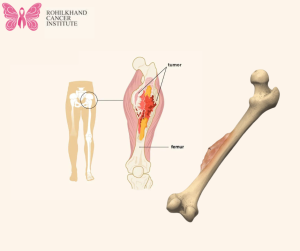
Symptoms
Bone cancer symptoms and indicators include:
(1) Bone pain.
(2) Feeling very tired.
(3) Losing weight without trying.
(4) Swelling and tenderness near the affected area.
(5) Weakened bone, which can lead to a broken bone.
When to visit a physician
Causes
Most bone malignancies have an unknown aetiology. DNA alterations in cells within or close to a bone are the first sign of bone cancer. The instructions that inform a cell what to do are encoded in its DNA. The DNA in healthy cells contains instructions on how to divide and expand at a specific rate. The cells are instructed to die at a predetermined time. Different instructions are given by altered DNA in cancerous cells. The alterations instruct the cancer cells to proliferate rapidly. When healthy cells would die, cancer cells can survive. There are too many cells as a result.
The cancer cells may aggregate into a mass known as a tumour. The tumour has the potential to spread and engulf healthy bodily tissue. Cancer cells have the ability to split out and travel to other areas of the body over time. Metastatic cancer is the term for cancer that spreads.
Types of bone cancer
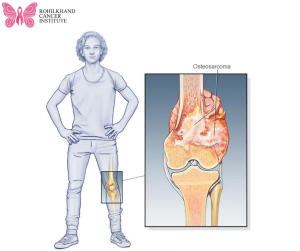
Many distinct cell types can be found in bones. Bone malignancies are classified into many categories, frequently according to the kind of cell in which the disease first appeared. The following are the most typical forms of bone cancer:
Osteosarcoma. One kind of bone cancer that starts in the cells that make up bones is called osteosarcoma. This is the most typical kind of bone cancer. The majority of cases of osteosarcoma typically affect teenagers and young adults. However, older adults and younger children might also experience it. The lengthy bones of the legs and even the arms are the most common sites for osteosarcoma. It rarely occurs in soft tissue that is not attached to the bone.
Chondrosarcoma. A form of bone cancer called chondrosarcoma often starts in the bones but can also develop in soft tissue. Most cases of chondrosarcoma occur in the hip, shoulder, and pelvis. The majority of those affected are middle-aged and older folks.
Ewing sarcoma.. One kind of bone cancer that starts in the soft tissue around the bones is called ewing sarcoma. Ewing sarcoma can occur at any age, however it typically affects children and young adults. Though it can happen in any bone, it usually starts in the pelvic and leg bones.
Risk factors
The following factors raise the risk of bone cancer:
Inherited genetic syndromes. A few uncommon genetic disorders that run in families raise the risk of developing bone cancer. Li-Fraumeni syndrome and inherited retinoblastoma are two examples.
Other bone conditions. Bone cancer risk may be elevated by certain other bone disorders. Fibrous dysplasia and Paget’s disease of the bone are two more bone disorders.
Cancer treatment. Bone cancer risk may be raised by cancer radiation therapy and certain types of chemotherapy medications.
Related Posts

कीमोथेरेपी क्या है? प्रक्रिया, फायदे और सावधानियाँ
-
Posted by
 admin
admin
Advanced Cancer Treatment at Rohilkhand Cancer Institute – Top Oncology Hospital in Bareilly
-
Posted by
admin

Immune-Based Cancer Treatments in Bareilly at Rohilkhand Cancer Institute
-
Posted by
admin

Why Rohilkhand Cancer Institute is the Best Choice for Childhood Cancer Treatment in Bareilly
-
Posted by
admin
Why Rohilkhand Cancer Institute is the Best Choice for Interventional Radiology in Bareilly
-
Posted by
admin

Brain Tumor Surgery in Bareilly at Rohilkhand Cancer Institute – Advanced & Expert Care
-
Posted by
admin

आयुष्मान भारत योजना के तहत Rohilkhand Cancer Institute में सस्ता कैंसर इलाज
-
Posted by
admin
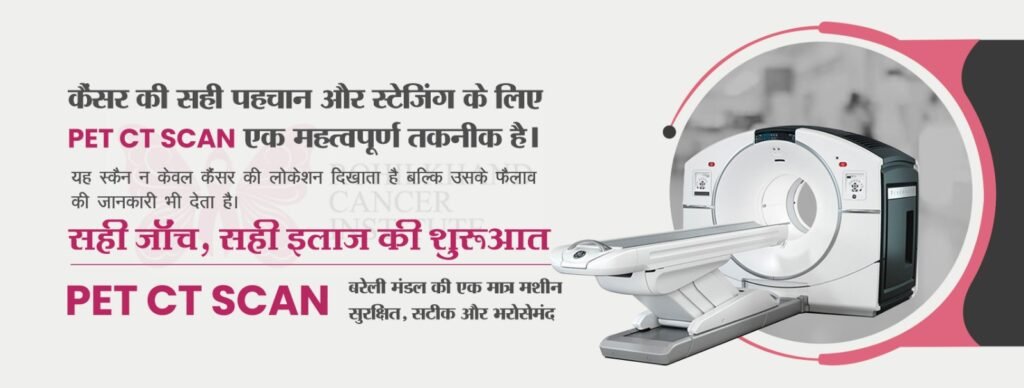
Advanced PET Scan Services at Rohilkhand Cancer Institute, Bareilly
-
Posted by
admin
Best Hospital for Stomach Cancer Treatment in Bareilly – Rohilkhand Cancer Institute, Bareilly
-
Posted by
admin
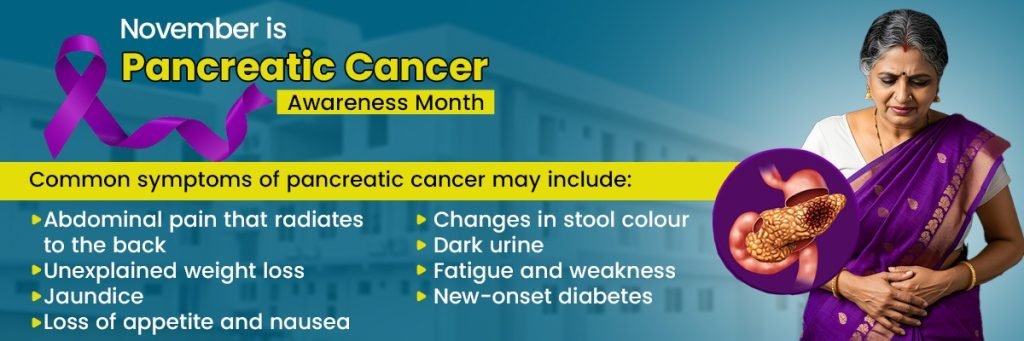
Top Pediatric Oncology Experts in Bareilly: Care & Compassion at Rohilkhand Cancer Institute
-
Posted by
admin
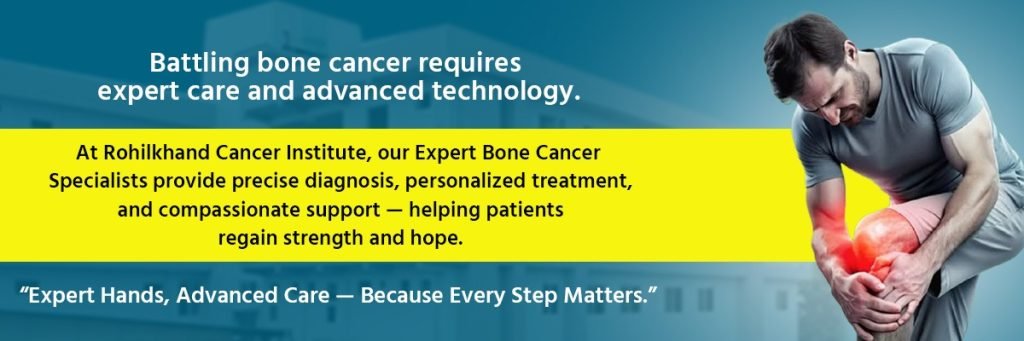
Expert Bone Cancer Specialists in Bareilly: Treatment at Rohilkhand Cancer Institute
-
Posted by
admin

A New Era in Cancer Treatment: Immunotherapy Services at Rohilkhand Cancer Institute
-
Posted by
admin