
 info@rohilkhandcancerinstitute.com


Chemotherapy in Bareilly

Chemotherapy in Bareilly
Chemotherapy Treatment at Rohilkhand Cancer Institute, Bareilly, Uttar Pradesh
When it comes to advanced cancer treatment in Bareilly, Uttar Pradesh, Rohilkhand Cancer Institute stands at the forefront, offering world-class services, including chemotherapy. Chemotherapy is one of the primary methods of cancer treatment, and at this institute, it is administered by experienced oncologists, ensuring patients receive the best care available in the region.
What is Chemotherapy?
Chemotherapy is a type of cancer treatment that uses drugs to destroy cancer cells. It works by stopping or slowing the growth of cancer cells, which grow and divide quickly. The treatment may be used in different stages of cancer and may be given alone or alongside other therapies like surgery and radiation.
Why Choose Rohilkhand Cancer Institute?
(1) State-of-the-art facilities: The institute is equipped with the latest technology and infrastructure to provide safe and effective chemotherapy treatments.
(2) Experienced Oncologists: The doctors and medical staff at Rohilkhand Cancer Institute specialize in chemotherapy and cancer care, ensuring a highly skilled approach to treatment.
(3) Personalized Treatment Plans: Each patient’s cancer is unique, and the institute’s experts develop customized chemotherapy plans tailored to the individual’s type and stage of cancer.
(4) Comprehensive Care: Beyond just treatment, the institute provides emotional and psychological support, ensuring that patients and their families are well cared for during the process.
(5) Accessibility: Located in the heart of Bareilly, the institute serves not only the city but the entire Rohilkhand region, making advanced cancer care accessible to those in Uttar Pradesh and nearby areas.
How Does Chemotherapy Work?
Chemotherapy can be delivered in various forms such as pills, injections, or intravenous infusions. The number of chemotherapy sessions depends on the stage and type of cancer. At Rohilkhand Cancer Institute, the expert medical team monitors patient progress carefully, adjusting treatments as needed to ensure maximum effectiveness while managing side effects.
Managing Chemotherapy Side Effects
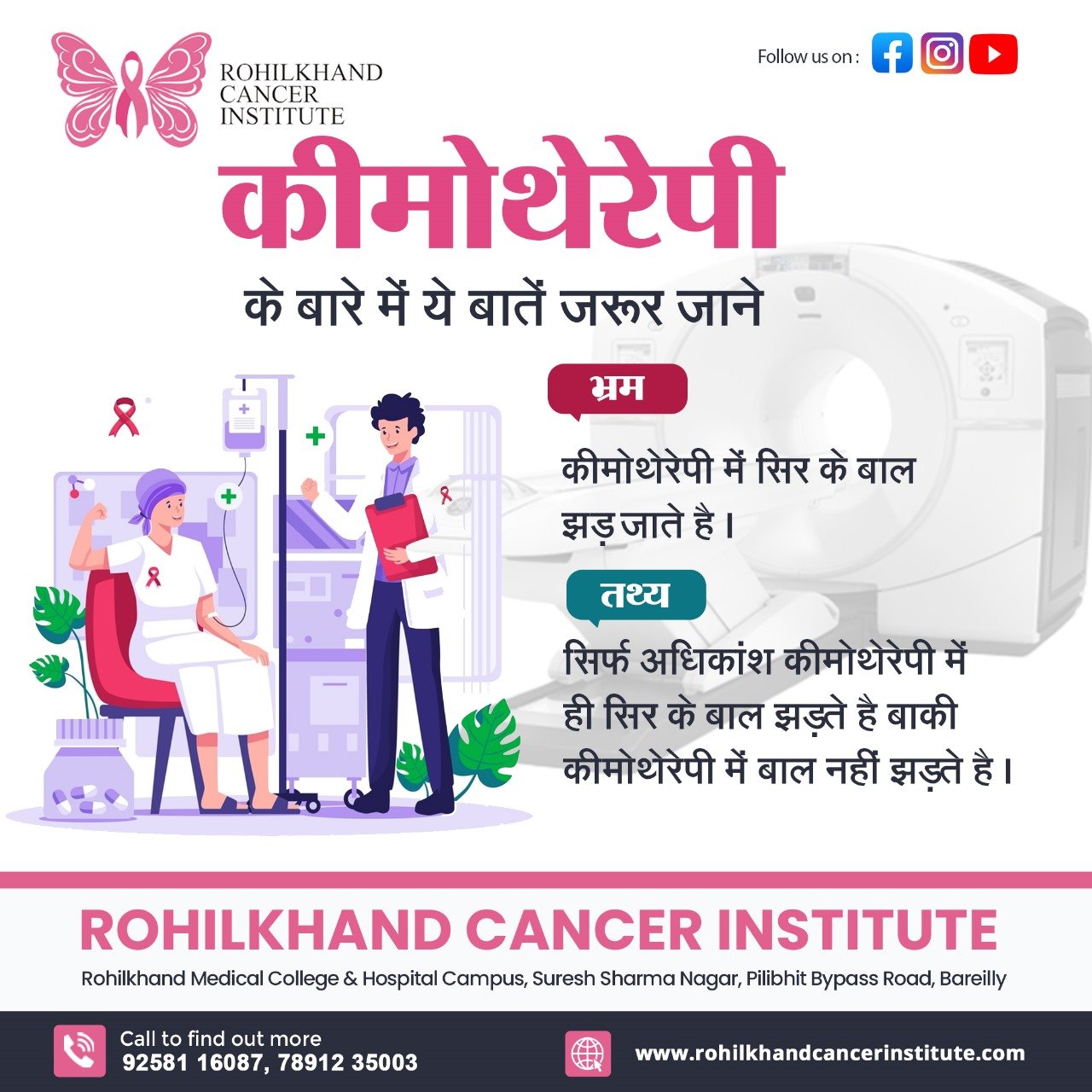
While chemotherapy is effective, it can cause side effects such as nausea, fatigue, and hair loss. The specialists at Rohilkhand Cancer Institute focus on managing these side effects through supportive therapies, ensuring that the treatment is as comfortable as possible for the patient.
Affordable Cancer Care in Bareilly
One of the institute’s missions is to make advanced cancer care accessible and affordable. Chemotherapy treatments are available at competitive prices, ensuring that patients don’t have to travel far or bear excessive costs to receive top-tier cancer care.
Conclusion
For those in Bareilly and the surrounding areas, Rohilkhand Cancer Institute provides expert chemotherapy treatments, along with comprehensive cancer care. With its experienced team, cutting-edge technology, and patient-centered approach, it remains a beacon of hope for cancer patients in Uttar Pradesh.
Overview
Chemotherapy is a pharmaceutical treatment that employs potent chemicals to destroy your body’s rapidly proliferating cells.
Since cancer cells proliferate and expand far more swiftly than most other cells in the body, chemotherapy is the treatment of choice for cancer.
There are numerous chemotherapy medications available. Many different types of cancer can be treated with chemotherapy medications, either alone or in combination.
Chemotherapy treatment has a risk of side effects even though it is an effective technique to treat many types of cancer. While some side effects of chemotherapy are manageable and modest, others may result in major problems.
Why it’s done
Chemotherapy is used to kill cancer cells in people with cancer.
Chemotherapy can be administered to cancer patients in a number of contexts:
- To cure the cancer without other treatments. Chemotherapy can be used as the primary or sole treatment for cancer.
- After other treatments, to kill hidden cancer cells. Chemotherapy can be used after other treatments, such as surgery, to kill any cancer cells that might remain in the body. Doctors call this adjuvant therapy.
- To prepare you for other treatments. Chemotherapy can be used to shrink a tumor so that other treatments, such as radiation and surgery, are possible. Doctors call this neoadjuvant therapy.
- To ease signs and symptoms. Chemotherapy may help relieve signs and symptoms of cancer by killing some of the cancer cells. Doctors call this palliative chemotherapy.
Chemotherapy for ailments besides cancer
Certain medications used in chemotherapy have shown promise in treating various ailments, including:
- Bone marrow diseases. Diseases that affect the bone marrow and blood cells may be treated with a bone marrow transplant, also known as a stem cell transplant. Chemotherapy is often used to prepare for a bone marrow transplant.
- Immune system disorders. Lower doses of chemotherapy drugs can help control an overactive immune system in certain diseases, such as lupus and rheumatoid arthritis.
Risks
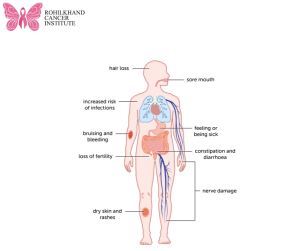
Side effects of chemotherapy drugs can be significant. Each drug has different side effects, and not every drug causes every side effect. Ask your doctor about the side effects of the particular drugs you’ll receive.
Side effects that occur during chemotherapy treatment
Common side effects of chemotherapy drugs include:
(1) Pain
(2) Fever
(3) Fatigue
(4) Nausea
(5) Diarrhea
(6) Bleeding
(7) Hair loss
(8) Vomiting
(9) Mouth sores
(10) Constipation
(11) Easy bruising
(12) Loss of appetite
Many of these adverse consequences are treatable or preventable. Most side effects go away as the treatment is finished.
Prolonged and delayed onset of adverse reactions
Additionally, adverse effects from chemotherapy medications may not show up for months or years after treatment. Depending on the chemotherapy medication, late side effects can include the following:
- Damage to lung tissue
- Heart problems
- Infertility
- Kidney problems
- Nerve damage (peripheral neuropathy)
- Risk of a second cancer
Find out from your doctor whether you could experience any late adverse effects. Find out what warning signs and symptoms to look out for that could indicate a problem.
How you get ready
How you prepare for chemotherapy depends on which drugs you’ll receive and how they’ll be administered. Your doctor will give you specific instructions to prepare for your chemotherapy treatments. You may need to:
(1) Have a device surgically inserted before intravenous chemotherapy. If you’ll be receiving your chemotherapy intravenously — into a vein — your doctor may recommend a device, such as a catheter, port or pump. The catheter or other device is surgically implanted into a large vein, usually in your chest. Chemotherapy drugs can be given through the device.
(2) Undergo tests and procedures to make sure your body is ready to receive chemotherapy. Blood tests to check kidney and liver functions and heart tests to check for heart health can determine whether your body is ready to begin chemotherapy. If there’s a problem, your doctor may delay your treatment or select a different chemotherapy drug and dosage that’s safer for you.
(3) See your dentist. Your doctor may recommend that a dentist check your teeth for signs of infection. Treating existing infections may reduce the risk of complications during chemotherapy treatment, since some chemotherapy may reduce your body’s ability to fight infections.
(4) Plan ahead for side effects. Ask your doctor what side effects to expect during and after chemotherapy and make appropriate arrangements. For instance, if your chemotherapy treatment will cause infertility, you may wish to consider your options for preserving your sperm or eggs for future use. If your chemotherapy will cause hair loss, consider planning for a head covering.
(5) Make arrangements for help at home and at work. Most chemotherapy treatments are given in an outpatient clinic, which means most people are able to continue working and doing their usual activities during chemotherapy. Your doctor can tell you in general how much the chemotherapy will affect your usual activities, but it’s difficult to predict exactly how you’ll feel.
Ask your doctor if you’ll need time off work or help around your home after treatment. Ask your doctor for the details of your chemotherapy treatments so that you can make arrangements for work, children, pets or other commitments.
(6) Prepare for your first treatment. Ask your doctor or chemotherapy nurses how to prepare for chemotherapy. It may be helpful to arrive for your first chemotherapy treatment well rested. You might wish to eat a light meal beforehand in case your chemotherapy medications cause nausea.
Have a friend or family member drive you to your first treatment. Most people can drive themselves to and from chemotherapy sessions. But the first time you may find that the medications make you sleepy or cause other side effects that make driving difficult.
Determining which chemotherapy drugs you’ll receive
Your doctor chooses which chemotherapy drugs you’ll receive based on several factors, including:
- Overall health
- Type of cancer
- Stage of cancer
- Previous cancer treatments
- Your goals and preferences
Talk to your doctor about your available treatment options. You can decide what’s best for yourself together.
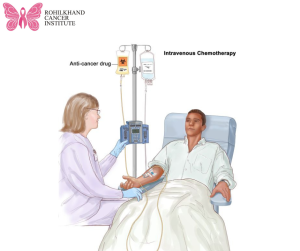
How chemotherapy drugs are given
There are various ways to administer chemotherapy medications, such as:
(1) Chemotherapy infusions. Chemotherapy is most often given as an infusion into a vein (intravenously). The drugs can be given by inserting a tube with a needle into a vein in your arm or into a device in a vein in your chest.
(2) Chemotherapy pills. Some chemotherapy drugs can be taken in pill or capsule form.
(3) Chemotherapy shots. Chemotherapy drugs can be injected with a needle, just as you would receive a shot.
(4) Chemotherapy creams. Creams or gels containing chemotherapy drugs can be applied to the skin to treat certain types of skin cancer.
(5) Chemotherapy drugs used to treat one area of the body. Chemotherapy drugs can be given directly to one area of the body. For instance, chemotherapy drugs can be given directly in the abdomen (intraperitoneal chemotherapy), chest cavity (intrapleural chemotherapy) or central nervous system (intrathecal chemotherapy). Chemotherapy can also be given through the urethra into the bladder (intravesical chemotherapy).
(6) Chemotherapy given directly to the cancer. Chemotherapy can be given directly to the cancer or, after surgery, where the cancer once was. As an example, thin disk-shaped wafers containing chemotherapy drugs can be placed near a tumor during surgery. The wafers break down over time, releasing chemotherapy drugs. Chemotherapy drugs may also be injected into a vein or artery that directly feeds a tumor.
How often you receive chemotherapy treatments
Based on the medications you take, the specifics of your disease, and how quickly your body heals from each treatment, your doctor will decide how frequently you will undergo chemotherapy treatments. Treatment plans for chemotherapy can vary. Chemotherapy can be administered continuously or in cycles, with intervals between treatment and recovery time.
Where you receive chemotherapy treatments
Depending on your circumstances, the location of your chemotherapy treatments will vary. Treatments with chemotherapy are possible:
(1) In the hospital
(2) In a doctor’s office
(3) In an outpatient chemotherapy unit
(4) At home, such as when taking chemotherapy pills
Results
During chemotherapy, you will see an oncologist—a physician who treats cancer—on a frequent basis. Your oncologist will enquire about any side symptoms you may be having, as many are manageable.
You might also have scans and other tests done, depending on your circumstances, to keep an eye on your cancer while receiving chemotherapy. Your doctor may modify your treatment based on the results of these tests, which can provide insight into how your cancer is reacting to therapy.
Contact Information
Rohilkhand Cancer Institute
Phone 7891235003, 9258116087
Email info@rohilkhandcancerinstitute.com
Website Rohilkhand Cancer Institute
Related Posts
कीमोथेरेपी क्या है? प्रक्रिया, फायदे और सावधानियाँ
-
Posted by
 admin
admin
Advanced Cancer Treatment at Rohilkhand Cancer Institute – Top Oncology Hospital in Bareilly
-
Posted by
admin

Immune-Based Cancer Treatments in Bareilly at Rohilkhand Cancer Institute
-
Posted by
admin

Why Rohilkhand Cancer Institute is the Best Choice for Childhood Cancer Treatment in Bareilly
-
Posted by
admin
Why Rohilkhand Cancer Institute is the Best Choice for Interventional Radiology in Bareilly
-
Posted by
admin
Brain Tumor Surgery in Bareilly at Rohilkhand Cancer Institute – Advanced & Expert Care
-
Posted by
admin

आयुष्मान भारत योजना के तहत Rohilkhand Cancer Institute में सस्ता कैंसर इलाज
-
Posted by
admin
Advanced PET Scan Services at Rohilkhand Cancer Institute, Bareilly
-
Posted by
admin
Best Hospital for Stomach Cancer Treatment in Bareilly – Rohilkhand Cancer Institute, Bareilly
-
Posted by
admin
Top Pediatric Oncology Experts in Bareilly: Care & Compassion at Rohilkhand Cancer Institute
-
Posted by
admin
Expert Bone Cancer Specialists in Bareilly: Treatment at Rohilkhand Cancer Institute
-
Posted by
admin

A New Era in Cancer Treatment: Immunotherapy Services at Rohilkhand Cancer Institute
-
Posted by
admin