
 info@rohilkhandcancerinstitute.com



Leukemia Symptoms and causes


Leukemia
Cancer of the body’s blood-forming tissues, such as the lymphatic and bone marrow systems, is known as leukemia.
There are various forms of leukemia. There are leukemia types that affect children more frequently. Most cases of other types of leukemia affect adults.
Usually, leukemia affects the white blood cells. Strong defenders against infections, white blood cells typically divide and proliferate in a coordinated manner in response to your body’s demands. However, the bone marrow overproduces aberrant white blood cells that are dysfunctional in leukemia patients.
Depending on the leukemia’s kind and other variables, treatment for leukaemia might be complicated. However, there are methods and tools available to support the effectiveness of your treatment.
Symptoms
The symptoms of leukaemia differ based on the type of disease. Typical indications and symptoms of leukemia include:
(1) Fever or chills
(2) Recurrent nosebleeds
(3) Bone pain or tenderness
(4) Easy bleeding or bruising
(5) Persistent fatigue, weakness
(6) Losing weight without trying
(7) Frequent or severe infections
(8) Tiny red spots in your skin (petechiae)
(9) Excessive sweating, especially at night
(10) Swollen lymph nodes, enlarged liver or spleen
When to visit a physician
If you are concerned about any persistent signs or symptoms, schedule an appointment with your doctor.
Leukemia symptoms are frequently nonspecific and ambiguous. Because early leukemia symptoms might mimic those of the flu and other common illnesses, you could ignore them.
Leukemia can occasionally be found via blood tests for other illnesses.
Causes
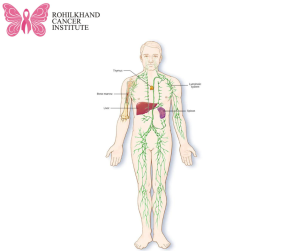
Scientists are unsure of leukemia’s precise cause. It appears to result from a synthesis of environmental and genetic influences.
How leukemia forms
Leukaemia is generally believed to arise from alterations (mutations) in some blood cells’ DNA or genetic material. The instructions that inform a cell what to do are encoded in its DNA. The DNA typically instructs a cell to develop at a specific rate and to die at a specific time. The alterations in leukaemia instruct the blood cells to keep proliferating and dividing.
The synthesis of blood cells spirals out of control at this point. Less healthy white blood cells, red blood cells, and platelets result from the gradual eradication of healthy blood cells by these aberrant cells in the bone marrow, which might cause leukemia’s symptoms.
How leukemia is classified
Based on the type of cells involved and how quickly the disease progresses, doctors categorise leukemia.
Acute leukemia. The aberrant blood cells in acute leukemia are called blasts, or immature blood cells. The disease progresses more quickly because they grow swiftly and are unable to perform their regular functions. Acute leukemia needs to be treated aggressively and quickly.
Chronic leukemia. There are numerous varieties of long-term leukaemias. Some lead to the production of too few cells, while others create too many. The blood cells in chronic leukaemia are more developed. For a while, these blood cells can continue to operate normally even though they multiply or accumulate more slowly. Certain types of chronic leukemia don’t show any signs at first and might go years without being detected or identified.
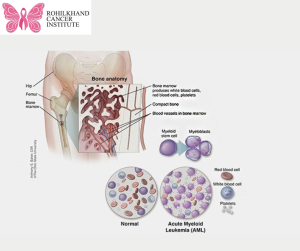
The second classification method is based on the kind of impacted white blood cell:
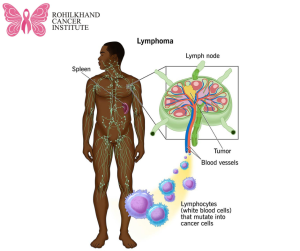
Lymphocytic leukemia. The lymphoid cells, or lymphocytes, that make up lymphoid or lymphatic tissue, are impacted by this kind of leukaemia. Your immune system is made up of lymphatic tissue.
Myelogenous (my-uh-LOHJ-uh-nus) leukemia. The myeloid cells are impacted by this kind of leukaemia. Red blood cells, white blood cells, and platelet-producing cells are all produced by myeloid cells.
Types of leukemia
The primary forms of leukemia include:
Acute lymphocytic leukemia (ALL). In young children, this is the most prevalent kind of leukemia. Adults might also experience ALL.
Acute myelogenous leukemia (AML). One prevalent kind of leukemia is AML. Both adults and children experience it. The most prevalent kind of acute leukemia in adults is AML.
Chronic lymphocytic leukemia (CLL). Most cases of this kind of leukemia affect adults. When a person with CML enters a phase where the leukemia cells grow more quickly, they may have little or no symptoms for months or years.
Other types.There are other, less common forms of leukemia, such as myeloproliferative diseases, hairy cell leukemia, and myelodysplastic syndromes.
Risk factors
A few things that could make you more susceptible to some forms of leukemia are as follows:
Previous cancer treatment. Certain leukemias are more common in people who have received specific chemotherapy and radiation treatments for other malignancies.
Genetic disorders. It appears that genetic defects contribute to leukaemia development. Leukemia risk is raised in several genetic diseases, including Down syndrome.
Exposure to certain chemicals. Certain types of leukaemia are associated with a higher risk of exposure to specific chemicals, such as benzene, which is used in gasoline and by the chemical industry.
Smoking.There is a higher chance of acute myelogenous leukaemia when one smokes.
Family history of leukemia.Your chance of developing leukaemia may be higher if you have family members with the illness.
On the other hand, leukaemia is uncommon in most persons with identified risk factors. Furthermore, many leukaemia patients do not have any of these risk factors.
Related Posts

कीमोथेरेपी क्या है? प्रक्रिया, फायदे और सावधानियाँ
-
Posted by
 admin
admin

Advanced Cancer Treatment at Rohilkhand Cancer Institute – Top Oncology Hospital in Bareilly
-
Posted by
admin

Immune-Based Cancer Treatments in Bareilly at Rohilkhand Cancer Institute
-
Posted by
admin

Why Rohilkhand Cancer Institute is the Best Choice for Childhood Cancer Treatment in Bareilly
-
Posted by
admin
Why Rohilkhand Cancer Institute is the Best Choice for Interventional Radiology in Bareilly
-
Posted by
admin

Brain Tumor Surgery in Bareilly at Rohilkhand Cancer Institute – Advanced & Expert Care
-
Posted by
admin

आयुष्मान भारत योजना के तहत Rohilkhand Cancer Institute में सस्ता कैंसर इलाज
-
Posted by
admin
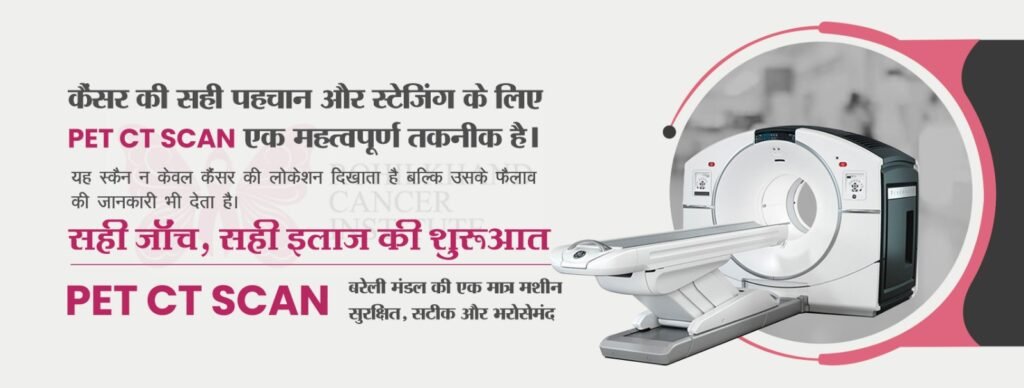
Advanced PET Scan Services at Rohilkhand Cancer Institute, Bareilly
-
Posted by
admin

Best Hospital for Stomach Cancer Treatment in Bareilly – Rohilkhand Cancer Institute, Bareilly
-
Posted by
admin

Top Pediatric Oncology Experts in Bareilly: Care & Compassion at Rohilkhand Cancer Institute
-
Posted by
admin

Expert Bone Cancer Specialists in Bareilly: Treatment at Rohilkhand Cancer Institute
-
Posted by
admin

A New Era in Cancer Treatment: Immunotherapy Services at Rohilkhand Cancer Institute
-
Posted by
admin