
 info@rohilkhandcancerinstitute.com


Liver Cancer


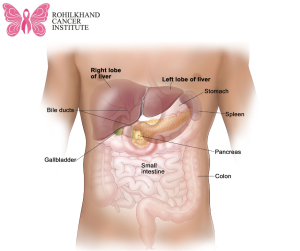
Cancer that starts in your liver’s cells is called liver cancer. Your liver, an organ about the size of a football, is located in the upper right part of your abdomen, above your stomach, and below your diaphragm.
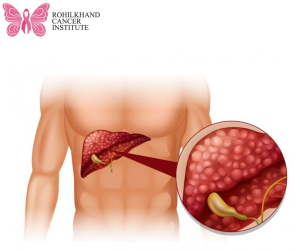
The liver is prone to developing several cancers. Hepatocellular carcinoma, which starts in the primary kind of liver cell (the hepatocyte), is the most prevalent form of liver cancer. Hepatoblastoma and intrahepatic cholangiocarcinoma are two significantly less frequent kinds of liver cancer.
More cancers than those that start in the liver cells spread to the liver. Metastatic cancer, as opposed to liver cancer, refers to cancer that starts in another part of the body, such as the colon, lung, or breast, and then spreads to the liver. Metastatic colon cancer, for instance, refers to cancer that starts in the colon and spreads to the liver. This type of cancer is named after the organ in which it first appeared.
Symptoms
Most people don’t have signs and symptoms in the early stages of primary liver cancer. When signs and symptoms do appear, they may include:
- Losing weight without trying
- Loss of appetite
- Upper abdominal pain
- Nausea and vomiting
- General weakness and fatigue
- Abdominal swelling
- Yellow discolouration of your skin and the whites of your eyes (jaundice)
- White, chalky stools
Causes
When liver cells experience DNA changes (mutations), liver cancer results. Every chemical reaction in your body has a set of instructions contained in each cell’s DNA. These instructions vary as a result of DNA mutations. One outcome is that cells may start to proliferate out of control and subsequently form a tumour, which is a collection of malignant cells.
It’s sometimes possible to pinpoint the source of liver cancer, such as chronic hepatitis infections. However, it occasionally affects persons who have no underlying illnesses, and its exact cause is unknown.
Risk factors
Factors that increase the risk of primary liver cancer include:
- Chronic infection with HBV or HCV. Chronic infection with the hepatitis B virus (HBV) or hepatitis C virus (HCV) increases your risk of liver cancer.
- Cirrhosis. This progressive and irreversible condition causes scar tissue to form in your liver and increases your chances of developing liver cancer.
- Certain inherited liver diseases. Liver diseases that can increase the risk of liver cancer include hemochromatosis and Wilson’s disease.
- Diabetes. People with this blood sugar disorder have a greater risk of liver cancer than those who don’t have diabetes.
- Nonalcoholic fatty liver disease. An accumulation of fat in the liver increases the risk of liver cancer.
- Exposure to aflatoxins. Aflatoxins are poisons produced by moulds that grow on crops that are stored poorly. Crops, such as grains and nuts, can become contaminated with aflatoxins, which can end up in foods made of these products.
- Excessive alcohol consumption. Consuming more than a moderate amount of alcohol daily over many years can lead to irreversible liver damage and increase your risk of liver cancer.
Prevention
Reduce your risk of cirrhosis
Cirrhosis is scarring of the liver, and it increases the risk of liver cancer. You can reduce your risk of cirrhosis if you:
- Drink alcohol in moderation, if at all. If you choose to drink alcohol, limit the amount you drink. For women, this means no more than one drink a day. For men, this means no more than two drinks a day.
- Maintain a healthy weight. If your current weight is healthy, work to maintain it by choosing a healthy diet and exercising most days of the week. If you need to lose weight, reduce the number of calories you eat each day and increase the amount of exercise you do. Aim to lose weight slowly — 1 or 2 pounds (0.5 to 1 kilogram) each week.
Get vaccinated against hepatitis B
You can reduce your risk of hepatitis B by receiving the hepatitis B vaccine. The vaccine can be given to almost anyone, including infants, older adults and those with compromised immune systems.
Take measures to prevent hepatitis C
Hepatitis C has no known vaccination, but you can lower your chance of contracting the illness.
Know the health status of any sexual partner. Until you are positive that your partner is free of HBV, HCV, or any other sexually transmitted virus, never have unprotected intercourse. Use a condom each and every time you engage in sexual activity with someone you don’t know well.
Don’t use intravenous (IV) drugs, but if you do, use a clean needle. Ease your risk of HCV by abstaining from drug injection. If that’s not an option for you, however, make sure that any needle you use is sterile and dispose of it properly. An infection with hepatitis C is frequently caused by tainted medication accessories. Use the needle-exchange services in your area, and think about getting drug treatment.
Seek safe, clean shops when getting a piercing or tattoo. The hepatitis C virus can spread through needles that may not have been adequately sterilised. Examine local shops and enquire with staff about safety procedures prior to having a tattoo or piercing. Take it as a hint that the establishment isn’t suitable for you if staff members at a shop avoid answering your enquiries or don’t seem to be interested in them.
Seek treatment for hepatitis B or C infection
Both hepatitis B and hepatitis C illnesses have treatments available. Treatment can lower the risk of liver cancer, according to research.
Ask your doctor about liver cancer screening
It is not usually advised to screen for liver cancer in the general population as there is no evidence that doing so lowers the chance of dying from the disease. Individuals who have any of the following conditions that raise their risk of liver cancer should think about getting screened:
(1) Liver cirrhosis
(2) Hepatitis B infection
(3) Hepatitis C infection
Examine the benefits and drawbacks of screening with your physician. Based on your risk, you can determine together if screening is appropriate for you. Every six months, a blood test and an abdominal ultrasound examination are usually part of the screening process.
Related Posts
कीमोथेरेपी क्या है? प्रक्रिया, फायदे और सावधानियाँ
-
Posted by
 admin
admin
Advanced Cancer Treatment at Rohilkhand Cancer Institute – Top Oncology Hospital in Bareilly
-
Posted by
admin

Immune-Based Cancer Treatments in Bareilly at Rohilkhand Cancer Institute
-
Posted by
admin

Why Rohilkhand Cancer Institute is the Best Choice for Childhood Cancer Treatment in Bareilly
-
Posted by
admin
Why Rohilkhand Cancer Institute is the Best Choice for Interventional Radiology in Bareilly
-
Posted by
admin
Brain Tumor Surgery in Bareilly at Rohilkhand Cancer Institute – Advanced & Expert Care
-
Posted by
admin

आयुष्मान भारत योजना के तहत Rohilkhand Cancer Institute में सस्ता कैंसर इलाज
-
Posted by
admin
Advanced PET Scan Services at Rohilkhand Cancer Institute, Bareilly
-
Posted by
admin
Best Hospital for Stomach Cancer Treatment in Bareilly – Rohilkhand Cancer Institute, Bareilly
-
Posted by
admin
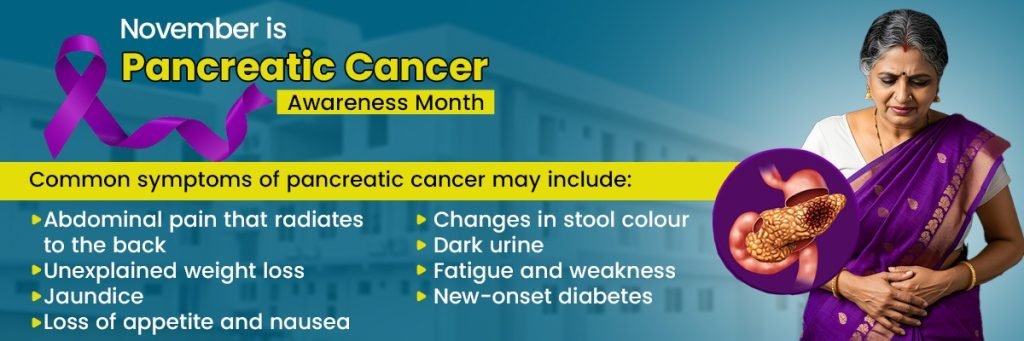
Top Pediatric Oncology Experts in Bareilly: Care & Compassion at Rohilkhand Cancer Institute
-
Posted by
admin
Expert Bone Cancer Specialists in Bareilly: Treatment at Rohilkhand Cancer Institute
-
Posted by
admin
A New Era in Cancer Treatment: Immunotherapy Services at Rohilkhand Cancer Institute
-
Posted by
admin