
 info@rohilkhandcancerinstitute.com



Oncology of the Head and Neck in Bareilly


Oncology of the Head and Neck in Bareilly
Oncology of the Head and Neck at Rohilkhand Cancer Institute, Bareilly, Uttar Pradesh
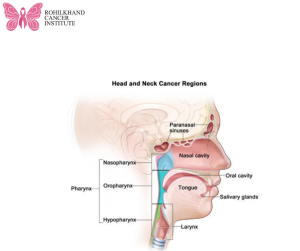
Rohilkhand Cancer Institute (RCI) in Bareilly, Uttar Pradesh, stands as a beacon of hope for patients battling head and neck cancers. These cancers are particularly aggressive, often affecting critical functions like speech, swallowing, and breathing. With a comprehensive, patient-centered approach, RCI offers world-class treatments combined with compassionate care for those diagnosed with malignancies in the head and neck region.
Understanding Head and Neck Cancers
Head and neck cancers encompass a broad range of malignancies that originate in the mouth, throat, larynx, nasal cavity, and sinuses. These cancers can also affect the salivary glands and lymph nodes in the neck. The majority of cases are linked to lifestyle factors such as tobacco and alcohol consumption, though HPV (Human Papillomavirus) infections are emerging as significant risk factors, particularly in oropharyngeal cancers.
Early detection is key to improving the prognosis of patients. Unfortunately, symptoms like persistent sore throat, hoarseness, and difficulty swallowing are often mistaken for less serious conditions, leading to delayed diagnosis. RCI emphasizes the importance of early screenings, especially for high-risk populations, and encourages awareness through community outreach programs.
Advanced Treatment Options at Rohilkhand Cancer Institute
Rohilkhand Cancer Institute offers cutting-edge treatments tailored to the specific needs of head and neck cancer patients. These treatments include:
(1) Surgical Oncology: RCI’s expert team of surgeons specialize in removing tumors from delicate areas in the head and neck. These complex surgeries aim to remove cancerous tissues while preserving as much functionality as possible. Reconstruction surgeries post-tumor removal help restore the patient’s appearance and function.
(2) Radiation Therapy: Radiation is often a cornerstone in treating head and neck cancers. Using advanced technology like IMRT (Intensity-Modulated Radiation Therapy), RCI ensures targeted radiation delivery to destroy cancer cells while minimizing damage to surrounding healthy tissues.
(2) Chemotherapy and Targeted Therapy: In many cases, chemotherapy or targeted drugs are used alongside radiation or surgery. RCI’s oncology team develops individualized chemotherapy regimens designed to maximize treatment effectiveness while minimizing side effects.
(4) Rehabilitation and Supportive Care: Head and neck cancers often impact a patient’s ability to speak, eat, or breathe properly. The multidisciplinary team at RCI provides comprehensive rehabilitation services, including speech therapy, dietary guidance, and psychological support to help patients regain their quality of life.
Why Choose Rohilkhand Cancer Institute?
(1) Expert Oncology Team: At the heart of RCI is a team of dedicated specialists in head and neck oncology, working collaboratively to offer a seamless experience from diagnosis through to recovery. Their commitment ensures that patients receive personalized care with the latest advancements in cancer treatment.
(2) State-of-the-Art Facilities: The institute is equipped with cutting-edge technology that allows for precise and effective cancer treatment, reducing complications and enhancing recovery outcomes.
(3) Patient-Centric Care: The journey of a cancer patient is both physically and emotionally challenging. RCI prides itself on compassionate care, supporting patients and their families through every step, offering not only medical but also emotional support through counseling and rehabilitation services.
(4) Community Engagement and Awareness Programs: RCI regularly holds awareness programs aimed at educating the public about the risks and early signs of head and neck cancers, especially in rural areas around Bareilly. These initiatives are essential in promoting early detection and improving overall survival rates.
Conclusion
Rohilkhand Cancer Institute, Bareilly, Uttar Pradesh, is dedicated to providing comprehensive oncology care for patients diagnosed with head and neck cancers. With a focus on advanced treatments, holistic rehabilitation, and emotional support, RCI is a trusted institution for cancer care in the region. If you or a loved one is battling head and neck cancer, know that expert care is available at RCI to guide you through this challenging journey.
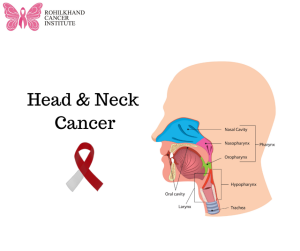
Head and neck cancers
Overview
Cancers that originate in the head and neck region are known as head and neck cancers. Cancer of the head and neck can take many different forms. Every kind starts off as a cell growth capable of invading and destroying healthy body tissue.
Cancers that originate in the mouth, throat, sinuses, and salivary glands are frequently referred to as head and neck cancers. However, additional malignancies that occur in the head and neck region are also occasionally included in this group.
Cancer of the head and neck is not a diagnosis. Rather, it’s a group of malignancies that share certain characteristics. For instance, certain risk factors and therapies are common to many head and neck malignancies. Squamous cells are where most head and neck malignancies start. The skin’s outermost layer is composed of these flat, thin cells. Additionally, they line the throat, mouth, and inside of the nose. Squamous cell carcinomas are cancers that start in the squamous cells. Although they are less prevalent, other types of cells in the head and neck region can also give rise to cancer.
Numerous factors determine the treatment plan for your head and neck cancer. These could include the cancer’s size, location, and type of cells involved. Your entire health is taken into account by your healthcare team. Among the possible course of treatment are radiation therapy, chemotherapy, and surgery.
Symptoms
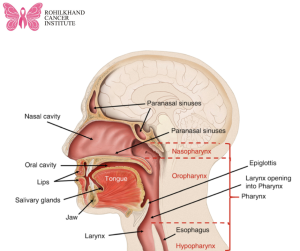
Symptoms of head and neck cancer can include pain during swallowing and mouth soreness. Depending on where the cancer begins, symptoms may vary. malignancies that originate in the mouth, throat, sinuses, and salivary glands are classified as head and neck malignancies.
Symptoms in the mouth and throat:
(1) Loose teeth.
(2) Hoarse voice.
(3) Coughing up blood.
(4) Pain when swallowing.
(5) A sore in the mouth that won’t heal.
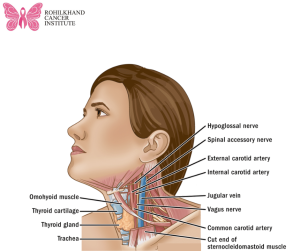
(6) A lump in the neck that you might be able to feel through the skin. Typically the lump isn’t painful.
Symptoms in the nose:
- Nosebleeds.
- Stuffy or blocked nose that doesn’t go away.
Other symptoms:
- Ear pain.
- Losing weight without trying.
- A sore on the skin of the face, neck or lips that doesn’t heal.
When to see a doctor
If you are concerned about any symptoms, schedule a visit with a physician or other healthcare provider.
Causes
Experts aren’t certain exactly what causes head and neck cancers. What causes a cancer may depend on where the cancer starts. Head and neck cancers include cancers that start in the mouth, throat, sinuses and salivary glands.
Generally speaking, alterations in a head and neck cell’s DNA constitute the initial cause of head and neck cancer. The instructions that inform a cell what to do are encoded in its DNA. The DNA in healthy cells contains instructions on how to divide and expand at a specific rate. The cells are instructed to die at a predetermined time. Different instructions are given by the alterations in cancer cells. The alterations instruct the cancer cells to proliferate rapidly. When healthy cells would die, cancer cells can survive. There are too many cells as a result.
The cancer cells may aggregate into a mass known as a tumour. The tumour has the potential to spread and engulf healthy bodily tissue. Cancer cells have the ability to split out and travel to other areas of the body over time. Metastatic cancer is the term for cancer that spreads.
Risk factors
There are several risk factors shared by head and neck malignancies. These include drinking alcohol and smoking cigarettes. The location of the malignancy determines other risk factors. malignancies that originate in the mouth, throat, sinuses, and salivary glands are classified as head and neck malignancies.
Generally speaking, the following factors raise the chance of head and neck cancer:
- Using tobacco. Any form of tobacco use raises the risk of several types of head and neck cancer. Cigars, pipes, chewing tobacco, snuff, and cigarettes are a few examples of tobacco products.
- Drinking alcohol. consuming alcoholic beverages. Numerous forms of head and neck cancer are more likely to occur in those who drink heavily and frequently.
- Being exposed to human papillomavirus, also called HPV. A frequent virus that is spread through intercourse is HPV. It usually doesn’t create any issues and goes away on its own for most people. For others, it may result in cellular alterations that pave the way for various cancer forms. There is a theory that HPV is the cause of many throat malignancies.
- Breathing chemicals in the air. The risk of sinus and nasal cancer can rise with exposure to airborne pollutants. Chemicals used at work and home can raise the danger.
- Being exposed to the sun or tanning lamps. The sun’s ultraviolet rays raise the risk of head and neck skin cancer. Tanning bed lamps are another source of ultraviolet light.
Prevention
Quit smoking and drink in moderation to reduce your risk of head and neck cancer. Depending on the exact type of cancer, there may be further actions you can take. malignancies that originate in the mouth, throat, sinuses, and salivary glands are classified as head and neck malignancies.
To lower the risk of head and neck cancer:
Don’t use tobacco
Don’t start if you don’t already smoke or use other tobacco products. If you do smoke, have a plan in place to stop. Consult a medical expert about strategies to assist in quitting.
Drink alcohol in moderation, if at all
If you choose to drink alcohol, do so in moderation. For healthy adults, that means up to one drink a day for women and up to two drinks a day for men.
Ask about the HPV vaccine
Getting vaccinated against HPV can lower the risk of malignancies linked to HPV. Find out from a medical expert if getting the HPV vaccine is suitable for you.
Protect your head and neck from the sun
Put on a wide-brimmed hat to protect your head and neck from the sun. Even on overcast days, apply a broad-spectrum sunscreen with an SPF of at least thirty. Use a lot of sunblock. Every two hours or more frequently if you’re perspiring or swimming, reapply.
Related Posts

कीमोथेरेपी क्या है? प्रक्रिया, फायदे और सावधानियाँ
-
Posted by
 admin
admin
Advanced Cancer Treatment at Rohilkhand Cancer Institute – Top Oncology Hospital in Bareilly
-
Posted by
admin

Immune-Based Cancer Treatments in Bareilly at Rohilkhand Cancer Institute
-
Posted by
admin

Why Rohilkhand Cancer Institute is the Best Choice for Childhood Cancer Treatment in Bareilly
-
Posted by
admin
Why Rohilkhand Cancer Institute is the Best Choice for Interventional Radiology in Bareilly
-
Posted by
admin

Brain Tumor Surgery in Bareilly at Rohilkhand Cancer Institute – Advanced & Expert Care
-
Posted by
admin

आयुष्मान भारत योजना के तहत Rohilkhand Cancer Institute में सस्ता कैंसर इलाज
-
Posted by
admin
Advanced PET Scan Services at Rohilkhand Cancer Institute, Bareilly
-
Posted by
admin

Best Hospital for Stomach Cancer Treatment in Bareilly – Rohilkhand Cancer Institute, Bareilly
-
Posted by
admin
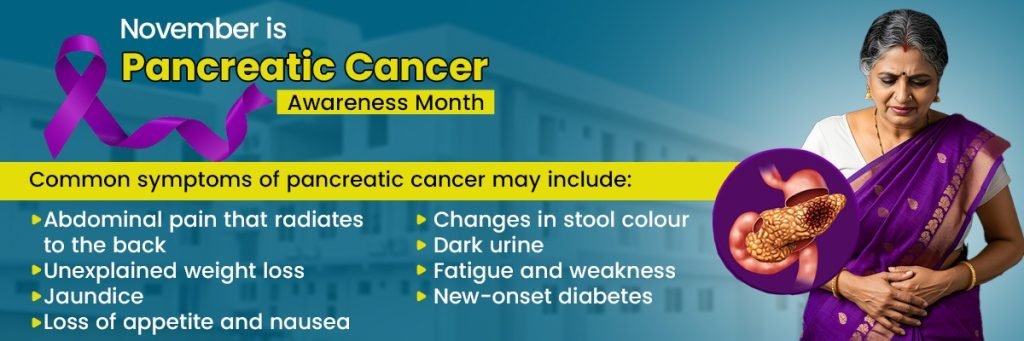
Top Pediatric Oncology Experts in Bareilly: Care & Compassion at Rohilkhand Cancer Institute
-
Posted by
admin
Expert Bone Cancer Specialists in Bareilly: Treatment at Rohilkhand Cancer Institute
-
Posted by
admin

A New Era in Cancer Treatment: Immunotherapy Services at Rohilkhand Cancer Institute
-
Posted by
admin