
 info@rohilkhandcancerinstitute.com



PET-CT scan


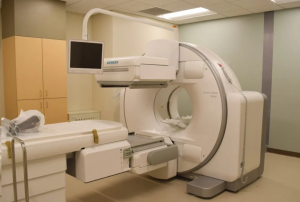
A PET scan and a CT scan are combined into a PET-CT scan. It provides comprehensive details regarding your cancer.
The CT scan creates a three-dimensional (3D) image by combining many x-rays from different parts of your body.
A radioactive tracer, which is a moderately radioactive liquid, is used in PET scans to identify regions of the body where cell activity is higher than usual.
As an outpatient, you typically undergo a PET-CT scan at the radiology department. The scanner is operated by a radiographer. Usually, it takes thirty to sixty minutes.
These scanners are often restricted to the largest cancer institutions. Thus, if you need one, you might have to go to a different hospital.
These scanners are often restricted to the largest cancer institutions. Thus, if you need one, you might have to go to a different hospital.
When is a PET-CT scan necessary?
PET-CT scans are performed for many cancer kinds. In general, they are believed to be more accurate in cancer diagnosis than PET or CT scans alone. PET-CT scans are used for:
1 Identify cancer
2 schedule a radiation treatment
3 Verify if your cancer has returned.
4 choose the cancer treatment that is best for you.
5 Determine if you can have your cancer surgically removed.
6 determine if a cancer has spread and how big it is (stage a cancer)
Additionally, a PET-CT scan can demonstrate the efficacy of a cancer treatment.
Following cancer therapy, a scan may reveal an area that appears to have some residual cancer. This may be scar tissue from the cancer that your treatment cleared out rather than malignancy. Sometimes a PET-CT scan can determine whether or not there is active malignancy in this tissue.
Getting ready for the PET-CT scan
You should refrain from eating for four to six hours before to the majority of PET-CT scans. Water is usually acceptable throughout this period. You may be instructed to avoid physically demanding activities for a full day before to the scan.
If you find that not eating is a problem for you—for example, if you have diabetes—give the number on your appointment letter a call. Your appointment time may need to be adjusted, and you may need to modify your diet and sugar intake.
Certain individuals have a feeling of constriction during a scan. If you anticipate feeling this way before your test, get in touch with the department staff. They can go above and beyond to ensure your comfort and comprehension of the situation.
If necessary, your doctor can make arrangements for you to receive medication to aid with relaxation.
What takes place?
You will be asked to change into a hospital gown by your radiographer. All jewellery and metal items, including coins, hair clips, belts, and wired bras, must be taken off. Metal tampers with the images that the scanner creates. It may be helpful to wear pants or a skirt without a zip and an elastic waistband if you don’t need to take them off.
About an hour before the scan, you receive the injection of the radioactive tracer. A little plastic tube, called a cannula, is inserted into your arm to provide this injection. There isn’t much radiation there.
Throughout this hour, you should rest and try not to move too much. As a result, the radioactive tracer can enter your tissues and travel throughout your body.

Within the scanning chamber
You enter the scanning room with your radiographer. The PET-CT machine has a doughnut-like shape and is quite large.
Most scans are performed while you’re lying on your back on the machine couch.
Your radiographer exits the room after you’re in the proper posture. From the control room, they can view you through a window or on a TV screen. Using an intercom, you can communicate with one another.
Getting scanned with PET-CT
The couch moves gently through the scanner, back and forth. The device collects images while you use it.
Although the scan is harmless, having to remain motionless during it may be painful. Inform your radiographer if you need to move because you’re becoming stiff.
The radiographers can usually play music for you, and it’s not a very noisy procedure.
Your radiographer will return to the room after it’s finished and lower the couch to allow you to get up.
Following your PET-CT scan
Before you leave for your house, your radiographer removes the cannula from your arm.
After that, you can eat and drink as usual. Following your scan, drinking lots of fluids will aid in the removal of the radioactive tracer from your body.
If you’ve taken medication to help you relax, someone has to drive you home. You may be sleepy for the remainder of the day, so you won’t be able to drive.
The radiation emitted by the radioactive tracer is extremely low. This disappears in a flash. Limit the amount of time you spend within arm’s reach of expectant mothers, newborns, or small children for around six hours following your scan. You’ll receive advice on this from your radiographer.
It can be a good idea to bring your appointment letter with you if you are going to be out of the country for a week after your scan. A trace of radiation remaining in your body after your test may be detected by the sensitive radiation sensors found in most airports.
Potential dangers
For most people, a PET-CT scan is a safe examination. Yet there are hazards associated with any medical examination. The radiographer and your physician ensure that the advantages of the test exceed the hazards.
Among the potential dangers are:
Being pregnant
Only in an emergency should a pregnant woman receive a scan. Radiation poses a potential risk to the growing foetus. If you are or suspect you could be pregnant, make advance contact with the department.
Nursing
Tell the department a few days before to your appointment if you are nursing a baby. If you must stop nursing for a certain period of time after receiving the radioactive tracer, they will notify you. It may be necessary to refrigerate extracted milk for a minimum of one feeding.
Rays
Radiation exposure during a PET-CT scan may marginally raise your chance of acquiring cancer later in life. If you’re concerned about this, see your doctor.
Swelling and bruises
It’s possible that you will get a little bruise where the needle was inserted.
The radioactive tracer could seep outside the vein, which is a risk. It is unusual, however this might result in arm pain and oedema.
Reaction allergic to
An allergic reaction to the radioactive tracer occurs infrequently. Usually, this begins with weakness, perspiration, and breathing difficulties. Notify your radiographer right away if you’re feeling sick.
Obtaining the desired outcomes
A specialist physician will examine your scan, and you should receive the results in a week or two. At the time of the scan, you won’t receive any results.
Anxiety can arise when you wait for outcomes. Find out from your nurse or doctor how long it will take to receive them. If, after a few weeks, you have not heard from them, get in touch with them.
You may have a specialist nurse’s contact information. If you require assistance or information, you can get in touch with them. Speaking with a close friend or family member about your feelings could be beneficial.
Related Posts

कीमोथेरेपी क्या है? प्रक्रिया, फायदे और सावधानियाँ
-
Posted by
 admin
admin
Advanced Cancer Treatment at Rohilkhand Cancer Institute – Top Oncology Hospital in Bareilly
-
Posted by
admin
Immune-Based Cancer Treatments in Bareilly at Rohilkhand Cancer Institute
-
Posted by
admin

Why Rohilkhand Cancer Institute is the Best Choice for Childhood Cancer Treatment in Bareilly
-
Posted by
admin
Why Rohilkhand Cancer Institute is the Best Choice for Interventional Radiology in Bareilly
-
Posted by
admin

Brain Tumor Surgery in Bareilly at Rohilkhand Cancer Institute – Advanced & Expert Care
-
Posted by
admin
आयुष्मान भारत योजना के तहत Rohilkhand Cancer Institute में सस्ता कैंसर इलाज
-
Posted by
admin
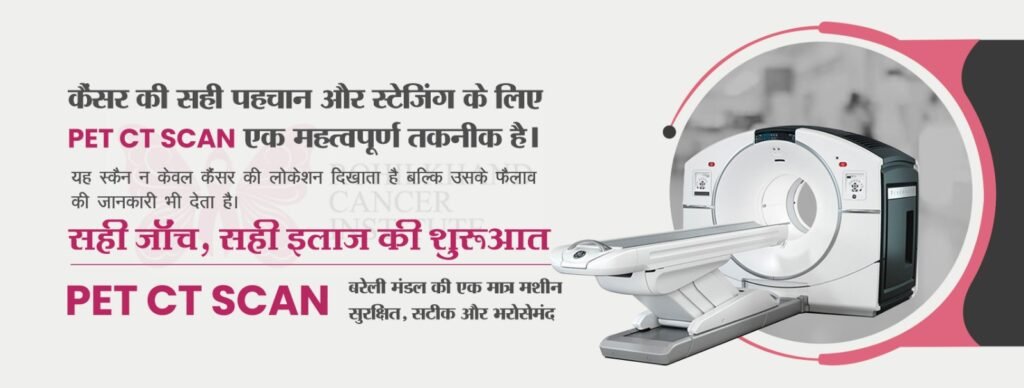
Advanced PET Scan Services at Rohilkhand Cancer Institute, Bareilly
-
Posted by
admin

Best Hospital for Stomach Cancer Treatment in Bareilly – Rohilkhand Cancer Institute, Bareilly
-
Posted by
admin
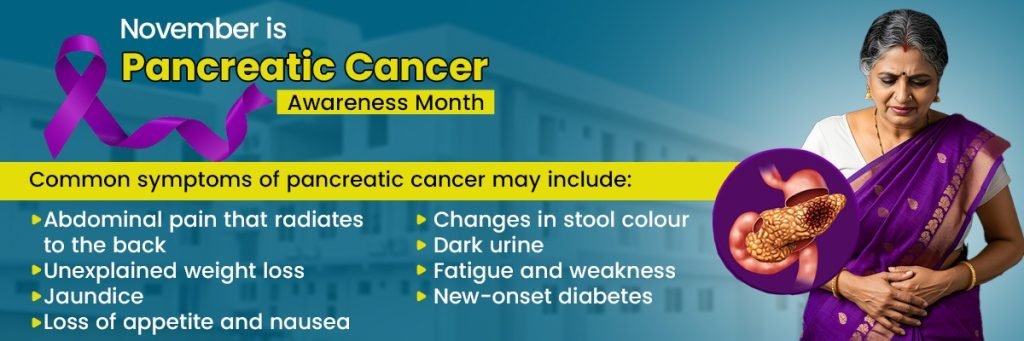
Top Pediatric Oncology Experts in Bareilly: Care & Compassion at Rohilkhand Cancer Institute
-
Posted by
admin
Expert Bone Cancer Specialists in Bareilly: Treatment at Rohilkhand Cancer Institute
-
Posted by
admin

A New Era in Cancer Treatment: Immunotherapy Services at Rohilkhand Cancer Institute
-
Posted by
admin