
 info@rohilkhandcancerinstitute.com



What is bowel cancer?


Colorectal cancer, also referred to as bowel cancer, begins in the inner lining of the colon and is typically preceded by growths called polyps that, if left unchecked, can spread to the colon and cause invasive malignancy. Bowel cancer may also be referred to as colon or rectal cancer, depending on where the cancer starts.
In 2023, there will likely be more than 15,300 new cases of colon cancer diagnoses. 69 years old is the average age at diagnosis.
Bowel malignancies that originate in the glandular tissues lining the intestine account for about 90% of cases of bowel cancer. The colon can also be affected by less prevalent cancers such as neuroendocrine tumours and lymphomas.
Under the National Bowel Cancer Screening Programme, individuals between the ages of 50 and 74 receive a colonoscopy every two years. People in the 45–49 age range can also ask for a free screening kit to be mailed to them starting on July 1, 2024. Find out more at
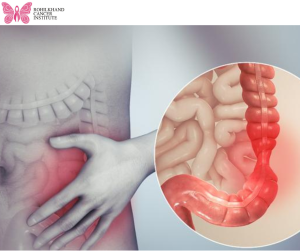
Bowel cancer signs and symptoms
Symptoms of bowel cancer include:
1 alteration in bowel habits, such as constipation, diarrhoea, or the sensation of not emptying the stomach completely
2 A modification to the form or texture of bowel motions, such as thin stools
3 Blood found in the faeces
4 Cramps, bloating, or stomach ache
5 Discomfort in the anus or abdomen
6 Discomfort in the anus or abdomen
7 A bulge in the rectum or anus
8 Reduction in weight
9 Inexplicable exhaustion
10 Fatigue and/or anaemia (pale skin tone, weakness, and dyspnea)
11 Urine that is bloody, rusty, or brown; frequent urination; or dark, rusty, or brown urine during the night.
The reasons for colon cancer
The following are some variables that raise your risk of colon cancer:
A low-fiber diet
Excessive intake of red meat, particularly processed meats
Having a weight problem or obesity
drinking alcohol
Consuming tobacco
Genetic risk that is inherited and family history
Intestinal inflammation, like Crohn’s illness
polyps
Possessing a prior diagnosis of intestinal cancer.
Identification of colon cancer
In order to identify bowel cancer, several tests are performed. To check for abdominal swelling, your doctor will first perform a physical examination on you. In order to look for lumps or swelling in the rectum or anus, your doctor will also do a digital rectal examination on you.
Blood tests
To check for any indications that you are losing blood in your stools, you could have a blood test. It can also measure your red blood cell count because bowel cancer patients frequently have low red blood cell counts.
IFOBT, or immunochemical faecal occult blood test
Depending on your symptoms, you can have an iFOBT (also called a FOBT). If you have anaemia, unexplained weight loss, changes in bowel habits, or abdominal pain, the test may be used. If you are experiencing rectal bleeding, it is not advised.
You will collect a stool sample at home for the iFOBT. Under a microscope, the sample is inspected for blood traces, which could indicate the presence of polyps, cancer, or another intestinal ailment. Although it cannot identify cancer, your doctor will typically advise a colonoscopy if blood is found.
Colonoscopy
A colonoscopy, which measures the length of the large intestine, is the most effective test for bowel cancer. A flexible tube that is placed into the anus is used to pump air into the colon. Your physician can search for abnormal tissue that is retrieved for additional inspection thanks to a camera on the end of the tube.
Modular sigmoidoscopy
The left side of the lower colon and the rectum are examined using flexible sigmoidoscopy. It is possible to remove any atypical tissue for additional analysis.
MRI
The extent of any tumours can be seen by using an MRI scan, which creates precise cross-sectional images of the body.
CT scan
CT scans can be used to evaluate the intestine and provide three-dimensional images of multiple organs at once.
PET scan
The body is injected with a tiny quantity of radioactive glucose during a positron emission tomography (PET) scan. Cancer cells will show up brighter in scans.
After intestinal cancer was identified
You can experience feelings of shock, upset, anxiety, or confusion upon learning that you have colon cancer. These are typical reactions. Bowel cancer diagnoses have varying effects on individuals. Most individuals will find it tough during this period, but some may be able to carry on with their regular daily routines.
Related Posts

कीमोथेरेपी क्या है? प्रक्रिया, फायदे और सावधानियाँ
-
Posted by
 admin
admin
Advanced Cancer Treatment at Rohilkhand Cancer Institute – Top Oncology Hospital in Bareilly
-
Posted by
admin

Immune-Based Cancer Treatments in Bareilly at Rohilkhand Cancer Institute
-
Posted by
admin

Why Rohilkhand Cancer Institute is the Best Choice for Childhood Cancer Treatment in Bareilly
-
Posted by
admin

Why Rohilkhand Cancer Institute is the Best Choice for Interventional Radiology in Bareilly
-
Posted by
admin

Brain Tumor Surgery in Bareilly at Rohilkhand Cancer Institute – Advanced & Expert Care
-
Posted by
admin

आयुष्मान भारत योजना के तहत Rohilkhand Cancer Institute में सस्ता कैंसर इलाज
-
Posted by
admin
Advanced PET Scan Services at Rohilkhand Cancer Institute, Bareilly
-
Posted by
admin

Best Hospital for Stomach Cancer Treatment in Bareilly – Rohilkhand Cancer Institute, Bareilly
-
Posted by
admin
Top Pediatric Oncology Experts in Bareilly: Care & Compassion at Rohilkhand Cancer Institute
-
Posted by
admin

Expert Bone Cancer Specialists in Bareilly: Treatment at Rohilkhand Cancer Institute
-
Posted by
admin

A New Era in Cancer Treatment: Immunotherapy Services at Rohilkhand Cancer Institute
-
Posted by
admin