
 rohilkhandcancerinstitutebly@gmail.com


Targeted Therapy for Cancer in Shahjahanpur, Uttar Pradesh | Advanced Cancer Treatment at Rohilkhand Cancer Institute

Targeted Therapy for Cancer in Shahjahanpur, Uttar Pradesh | Advanced Cancer Treatment at Rohilkhand Cancer Institute
Cancer treatment has advanced significantly with the development of targeted therapy, an approach that focuses on specific molecules involved in cancer cell growth and progression. For patients seeking information about targeted therapy for cancer in Shahjahanpur, Uttar Pradesh, understanding this treatment option can help them make informed decisions in consultation with an oncology specialist.
At Rohilkhand Cancer Institute, patients can seek expert guidance regarding cancer diagnosis, treatment planning, and advanced oncology care. The institute focuses on providing comprehensive cancer care through a multidisciplinary approach tailored to individual patient needs.
What Is Targeted Therapy for Cancer?
Targeted therapy is a type of cancer treatment that uses medicines designed to identify and interfere with specific proteins, genes, or other molecules that help cancer cells grow, divide, and spread.
Unlike conventional chemotherapy, which can affect both cancerous and certain healthy cells, targeted therapy acts on particular molecular targets involved in cancer development. However, its effectiveness depends on the cancer type, the specific molecular changes present, and the medicine being used.
Targeted therapy may be recommended as an individual treatment or combined with other cancer treatments, depending on the patient’s diagnosis and medical condition.
How Does Targeted Therapy Work?
Targeted cancer medicines work through different mechanisms to interfere with the processes that allow cancer cells to survive and multiply.
Some common approaches include:
Blocking cancer growth signals: Certain medicines prevent cancer cells from receiving signals that encourage them to grow.
Interfering with tumour blood supply: Some treatments target the formation of blood vessels that supply oxygen and nutrients to tumours.
Blocking specific proteins: Targeted medicines may inhibit proteins that help cancer cells multiply or survive.
Supporting cancer cell destruction: Certain therapies help trigger the death of cancer cells or make them more vulnerable to treatment.
The choice of therapy depends on the cancer’s molecular characteristics and the patient’s overall health.
Which Cancers Can Be Treated with Targeted Therapy?
Targeted therapy may be used to treat several types of cancer, depending on the presence of specific molecular changes.
Examples include:
1. Lung Cancer
Certain lung cancers contain specific genetic alterations that can be treated with targeted medicines. Molecular testing helps doctors determine whether a patient may benefit from these treatments.
2. Breast Cancer
Some breast cancers have particular molecular characteristics, such as HER2 positivity, that may make targeted treatment an option. Treatment selection depends on the tumour’s biology and stage.
3. Colorectal Cancer
Targeted medicines may be recommended for selected colorectal cancers based on molecular markers and other clinical factors.
4. Blood Cancers
Certain blood cancers, including specific types of leukaemia and lymphoma, may respond to targeted medicines that act on particular proteins or signalling pathways.
5. Other Solid Tumours
Targeted therapy may also be used for selected kidney, liver, ovarian, and other cancers when appropriate molecular targets are identified.
Important: Targeted therapy is not suitable for every cancer patient. A specialist must evaluate the diagnosis and relevant test results before recommending treatment.
Importance of Molecular Testing Before Targeted Therapy
Molecular testing plays an important role in identifying patients who may benefit from targeted cancer treatment.
Depending on the cancer type, doctors may recommend:
Genetic mutation testing
Biomarker testing
Immunohistochemistry (IHC)
Fluorescence in situ hybridisation (FISH)
Next-generation sequencing (NGS)
These investigations help identify specific changes in cancer cells and guide treatment decisions.
Accurate diagnosis and appropriate testing can help oncologists select therapies that are more closely matched to an individual’s cancer.
Benefits of Targeted Therapy for Cancer
For eligible patients, targeted therapy may offer several potential benefits:
Personalised treatment: Therapy can be selected according to specific molecular features of the tumour.
Target-specific action: Medicines act on particular pathways involved in cancer growth.
Treatment flexibility: Targeted medicines may be used alone or alongside chemotherapy, immunotherapy, or other treatments.
Potential disease control: Certain targeted therapies can help control cancer and, in some cases, improve treatment outcomes.
Oral treatment options: Some targeted medicines are available as tablets or capsules, while others are administered intravenously.
The benefits vary by cancer type, treatment response, and individual medical circumstances.
Possible Side Effects of Targeted Therapy
Although targeted therapy acts on specific molecular pathways, it can still cause side effects. These depend on the medicine, dosage, and patient’s health.
Possible side effects include:
Fatigue and weakness
Skin rashes or dryness
Diarrhoea
High blood pressure
Changes in liver function
Mouth sores
Changes in blood cell counts
Some medicines can cause more serious complications that require prompt medical attention. Regular monitoring and communication with the treating oncologist are essential throughout treatment.
Targeted Therapy at Rohilkhand Cancer Institute
Patients searching for targeted therapy for cancer in Shahjahanpur, Uttar Pradesh, can consult Rohilkhand Cancer Institute for information about cancer diagnosis, treatment options, and specialist care.
A personalised cancer treatment plan may involve several important steps.
Comprehensive Cancer Evaluation
The treatment process begins with a review of the patient’s medical history, symptoms, biopsy reports, imaging studies, and previous treatments.
Diagnostic and Molecular Investigations
When clinically indicated, additional laboratory investigations and molecular tests help identify potential targets for treatment.
Individualised Treatment Planning
The oncology team evaluates the patient’s cancer type, stage, molecular profile, and overall health before determining whether targeted therapy is appropriate.
Monitoring and Follow-Up
Regular follow-up appointments help assess treatment response, monitor side effects, and determine whether any adjustments are required.
Patients should confirm the availability of specific targeted medicines, molecular testing, and related services directly with the institute.
Why Choose Specialist Cancer Care in Uttar Pradesh?
Access to specialist cancer care helps patients understand their diagnosis and explore appropriate treatment options. A multidisciplinary approach can bring together medical oncology, surgical oncology, radiation oncology, pathology, radiology, and other relevant specialties.
For patients from Shahjahanpur and nearby areas, consulting an oncology specialist can help clarify:
Whether targeted therapy is suitable for their cancer type
Which molecular tests may be required
Whether chemotherapy, immunotherapy, or radiation therapy may also be needed
The expected duration and possible side effects of treatment
The follow-up and monitoring plan
Patients should carry their previous biopsy reports, scan results, pathology findings, and treatment records when visiting an oncology specialist.
When Should You Consult an Oncologist?
Patients diagnosed with cancer should discuss all suitable treatment options with a qualified oncologist. A consultation is particularly important when:
A biopsy confirms a cancer diagnosis.
Molecular testing identifies a potentially actionable mutation.
Cancer has returned after previous treatment.
The disease has progressed despite ongoing treatment.
A specialist recommends evaluating targeted therapy as part of the treatment plan.
Early consultation can help patients understand their diagnosis and avoid delays in appropriate medical care.
Conclusion
Targeted therapy has become an important part of modern cancer treatment, offering selected patients treatment options based on the molecular characteristics of their cancer. Appropriate diagnosis, biomarker testing, specialist evaluation, and regular monitoring are essential for its safe and effective use.
For individuals seeking advanced cancer treatment in Shahjahanpur, Uttar Pradesh, Rohilkhand Cancer Institute provides an avenue to explore specialist cancer care and personalised treatment planning. Consulting an oncology specialist can help patients understand whether targeted therapy is suitable for their condition.
Explore cancer care at Rohilkhand Cancer Institute and consult a specialist to understand the treatment options available for your diagnosis.
Related Posts
Surgical Oncology in Shahjahanpur, UP | Advanced Cancer Surgery & Expert Care at Rohilkhand Cancer Institute
-
Posted by
 admin
admin

Breast Cancer Treatment Hospital in Uttar Pradesh, India | Advanced Breast Cancer Care at Rohilkhand Cancer Institute
-
Posted by
admin
Cancer Diagnosis Centre in Shahjahanpur, Uttar Pradesh | Advanced Cancer Detection & Diagnostic Care at Rohilkhand Cancer Institute
-
Posted by
admin

Rohilkhand Cancer Institute: Chemotherapy Centre in Shahjahanpur, UP | Advanced Cancer Treatment & Care
-
Posted by
admin
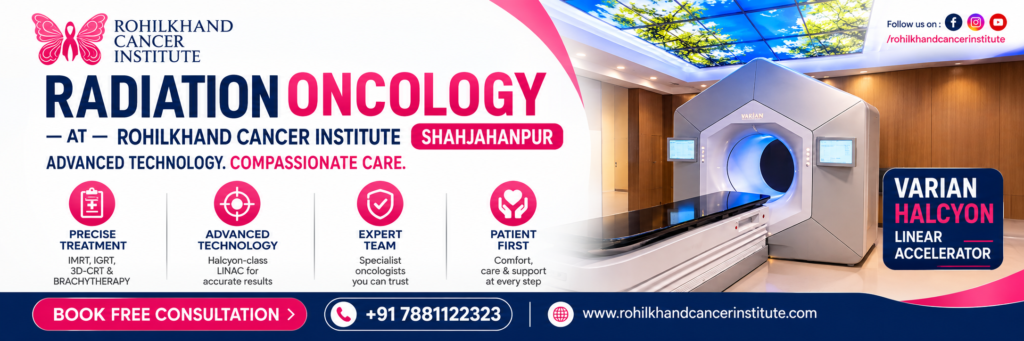
Rohilkhand Cancer Institute: Advanced Nuclear Medicine Centre in Shahjahanpur, Uttar Pradesh
-
Posted by
admin

Rohilkhand Cancer Institute: Leading Cancer Hospital in Uttar Pradesh
-
Posted by
admin
Rohilkhand Cancer Institute: A Leading Cancer Treatment Centre in Uttar Pradesh
-
Posted by
admin
कैंसर उपचार हुआ आसान – Rohilkhand Cancer Institute में आयुष्मान भारत योजना का लाभ उठाएं
-
Posted by
admin

Top Cancer Hospital in Uttar Pradesh, India – Expert Care at Rohilkhand Cancer Institute
-
Posted by
admin